10 Things Americans Find Normal That Confuse Most Brits
To Americans, these habits barely register as unusual. They’re normal. Just a daily part of ordinary life. But, to the British, some American habits can be quietly shocking, overwhelming and confusing. From striking up conversations with people you’ve never seen or spoken to before to the great debate of how much ice actually belongs in one drink, the cultural differences show themselves quickly. What feels friendly, polite and normal in the US can feel confusing, intense and excessive in the UK. Here are 10 things that are completely normal for Americans but leave most Brits wondering, “wait.. What?” about them.
1. Calling it a “restroom” when there’s literally no rest involved.

Americans casually excuse themselves to use the restroom and the name suggests that it might be some sort of dimly lit room, maybe with a comfortable couch and, of course, an opportunity to rest. But, when Brits arrive at the restroom, they are met with a single toilet and certainly nowhere to rest. In the UK there isn’t any awkwardness in saying “toilet”. But, in the US, it’s way too blunt so Americans say “restroom” or “washroom” instead. Brits find it particularly strange that Americans call it a ‘restroom’ when there is indeed zero rest happening.
2. Supersizing meals as an option.

Americans are asked this one question so very often “would you like to supersize your meal?” It’s a strange thought to most Brits that someone would intentionally change the portion size and actively make it larger. For Brits it’s excessive. In the UK the goal is more eating until you’re full rather than eating as much as you can. It’s something very odd to the British and completely normal to Americans.
3. Gun culture as a normal conversation topic.

Guns are something Americans talk about a lot. In the US guns can come up in daily conversations as casually as “how is your dog?” People will openly discuss what they own, what they’re thinking of buying and what is best for protection purposes. To most Brits this is absolutely shocking. Firearms aren’t a part of daily life in the UK and talking about them so openly feels confusing and uncomfortable for Brits.
4. Medical ads on TV.

In the US it’s completely normal to see TV ads encouraging you to ask your doctor about a specific prescription drug. When the ad is nearing completion, it quickly reads through a long list of potential side effects, which seems to always include the word ‘death’ for some reason. Brits often find this baffling. The idea of asking your doctor for a specific medication feels uncomfortable and treatment decisions are expected to come from medical professionals and not marketing campaigns on television.
5. Smiling at strangers constantly.

In the US smiling at strangers is a social default. It’s what Americans do without even meaning to. They smile in shops, at people you don’t know, at service workers, and at anyone they come across in their path. It signals friendliness. But, for most Brits, this can feel confusing or even suspicious. In the UK smiles are reserved for true interactions or intentionally shared moments. Americans see it as warmth but Brits reserve smiles for people they actually know.
6. Wearing shoes inside the house.
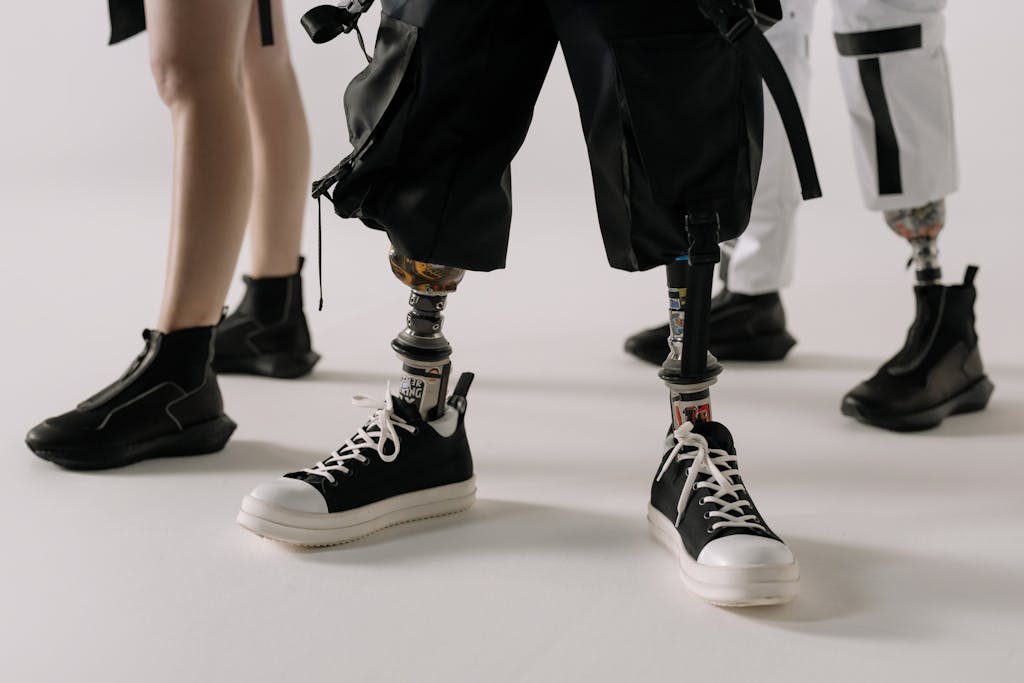
Most Americans wear their shoes right inside the house, straight onto the carpet, sometimes even on carpets, sofas and BEDS. Most Brits are outraged by this. Shoes are seen as outdoor objects that carry in dirt, grime and bacteria. Brits believe they are to be left at the door and not worn across the floors under any circumstances.
7. Calling university “college”.

In the US, “college” and “university” are almost the same, and “school” can mean anything from preschool to a graduate program. This doesn’t make any sense to people in the UK. In the UK, school is for kids, college is usually the next step after secondary school, and university is very clearly its own thing. When an American says they “went back to school” at age 22 or “studied at college,” they mean a full university degree. This makes Brits mentally rearrange the whole education system just to understand the sentence.
8. Medical bills arriving after treatment.

It’s perfectly normal for Americans to get medical bills days, weeks, or even months after their appointment. You think you’re okay, that you’ve gotten better, and that you’ve moved on… And then the letter comes. This is really scary for Brits to imagine. In the UK, you can get treatment without worrying about getting a bill later. It feels more like a delayed horror movie ending than healthcare when you think about how a doctor’s visit can haunt you financially long after the pain is gone.
9. Ice in every drink, automatically.

Americans don’t think a drink is complete unless it has a lot of ice in it. Water, soda, juice, and all other beverages are served with ice by default, making them clink and freeze. This makes no sense to Brits. In the UK, ice is not always needed, but it is often asked for. It seems like Americans put too much ice in their drinks, which makes them feel numb and a little aggressive, especially when it’s already cold outside. Brits would rather taste a drink than chew it, and the idea that Americans need ice all the time is still one of the most confusing things about American culture.
10. Celebrating personal achievements loudly.

It’s a good idea to talk about your wins in the US. Share your promotions, milestones, and personal breakthroughs. Celebrate them and post about them. People think that confidence is good and earned. For Brits, this level of self-praise can be uncomfortable and even a little boastful. People in the UK often make fun of their accomplishments, downplay them, or brush them off with a self-deprecating comment. It’s normal to be quietly proud, and it’s much better to let others notice your success than to point it out yourself. The American way seems sure of itself, while the British way seems polite. Each side finds the other a little confusing.
Conclusion
These ten things are some that Americans find completely normal and they occur in everyday American life, but when the British are confronted with them, they’re confused, shocked, baffled, and sometimes even outraged. Whether it’s all the medical ads on TV, wearing shoes inside the house or supersizing every meal they consume, these cultural differences prove that while the 2 countries share a language, that might be where the sharing stops. These stark differences make life what it is in each nation: charming, unique, and full of surprises.