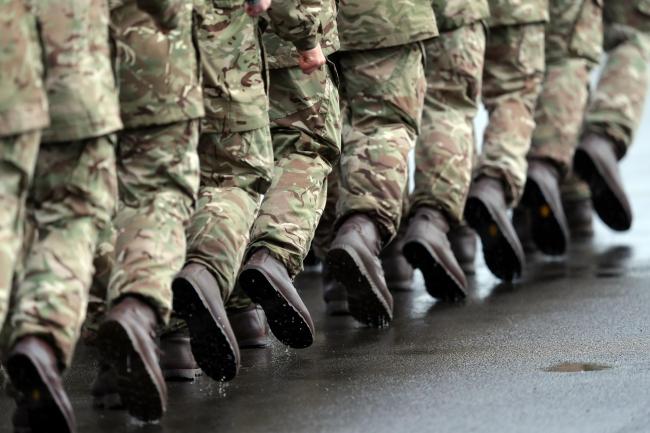
Germany Unveils Strategy to Host Up to 800,000 NATO Troops in Case of Russia Conflict
Germany has quietly prepared a sweeping military readiness blueprint that would see it transformed into a central hub for NATO troop deployments in the event of a major conflict with Russia. According to leaked planning documents, the 1,200-page plan — known as Operation Plan Germany (OPLAN DEU) — outlines how Germany’s civilian and military infrastructure could be mobilised to support as many as 800,000 NATO troops in a rapid deployment scenario. (Newsweek)
From Strategy to Logistics: What the Plan Involves
OPLAN DEU was reportedly drafted around two and a half years ago, in the wake of Russia’s full-scale invasion of Ukraine. (Newsweek) Rather than simply being a war blueprint, the plan is described by its architects as a “whole-of-society” defence posture — meaning it integrates civilian infrastructure, private firms, and government agencies alongside the armed forces. (Newsweek)
Key features of the plan include:
- Designated use of Germany’s ports, rail networks, waterways and highways to rapidly move troops, vehicles and materials. (Newsweek)
- Use of civilian infrastructure and cooperation with private-sector companies to provide support services such as temporary camps, fuel, field kitchens and logistics for deployed troops. (euronews)
- Security measures against sabotage, cyber-attacks or interference — especially given concerns that hostile actors might target key transport corridors, railways or bridges. (Newsweek)
The aim, according to German military officials, is deterrence — to send a clear message that any attempt to strike a NATO member would trigger a well-prepared, large-scale allied response. (Newsweek)
Challenges Beneath the Surface
While the plan is ambitious, it acknowledges several serious practical and structural obstacles. Germany’s transport infrastructure has suffered years of underinvestment; many roads, bridges and tunnels are not rated for heavy military convoys or rapid deployment needs. (Newsweek) Civil-military coordination — especially given the involvement of private firms and local authorities — adds further complexity. (Newsweek)
Even routine training exercises have exposed weaknesses. A recent convoy-deployment drill reportedly collapsed under delays caused by simulated protests, drone threats and logistical bottlenecks. (euronews)
Observers caution that while the plan may serve as a credible deterrent, its effectiveness in a real conflict depends on major infrastructure upgrades and streamlined civil-military coordination.
A New Era in European Defence Posture
The revelation of OPLAN DEU marks a dramatic shift in Germany’s post-war military posture. Since the 2022 invasion of Ukraine, Berlin has already taken steps to bolster NATO’s eastern flank, including by establishing a new division dedicated to territorial defence. (Reuters)
Analysts see the plan as a sign that Germany is re-embracing a strategic readiness once more associated with the Cold War — not in anticipation of immediate hostilities, but as a long-term deterrent to potential aggression. (Newsweek)
For NATO allies and European partners, Germany’s role as a logistics and deployment hub could prove pivotal if tensions with Russia escalate further.
—but as the plan itself concedes, achieving such readiness depends on cooperation across civil and military spheres, and on swift investment in infrastructure that meets the demands of 21st-century warfare.
- Can You Cancel a Manifestation? How to Redirect Your Energy with Confidence
- Can You Change Your Manifestation? How to Redirect Your Desire with Confidence
- Do You Have to Forget About Your Manifestation? The Truth About Letting Go
- Do You Have to Believe in Manifestation for It to Work?
- Do You Have to Say Manifestations Out Loud? A Friendly Guide to Speaking, Thinking, and Feeling Your Desires