8 American Stereotypes That Are Completely FALSE
Stereotypes can be damaging and insulting, and they take away from the very thing the stereotype is about. In the case of American stereotypes, many have taken root and stuck around, despite being untrue and biased. There are many problems with stereotypes and how they affect people, but the biggest problem is that they perpetuate false information rather than open people’s eyes to truths, culture, and diversity.
Today, we will delve into 8 American stereotypes that, despite being completely false, receive a lot of attention and are widely believed to be true. We’ll cover a wide range of topics, including the misconceptions that Americans love guns and sports, are workaholics, and lack geographic knowledge. By the end, you’ll be able to identify facts from stereotypes and be a part of a positive change in society, leading to a more inclusive and diverse community.

1. Loud and Outgoing
The stereotype of Americans as loud and outgoing is an overgeneralization plagued by numerous issues. The stereotype, originating from a single individual’s perspective, has endured for decades and continues to shape the perception of Americans. In reality, the United States is a massive country with millions of people. It’s unrealistic to think that everyone is loud and outgoing. Just like in any other country, people are all beautifully unique and bring their own vibe to every interaction. While some people may certainly be loud and outgoing, it’s equally as likely that many aren’t and enjoy quiet, more reserved settings. These diverse personalities contribute to the rich tapestry of American culture, showcasing a spectrum of behaviours and preferences. Ultimately, it’s this variety that makes interactions in the U.S. so fascinating and multifaceted.
2. Obsessed with Fast Food
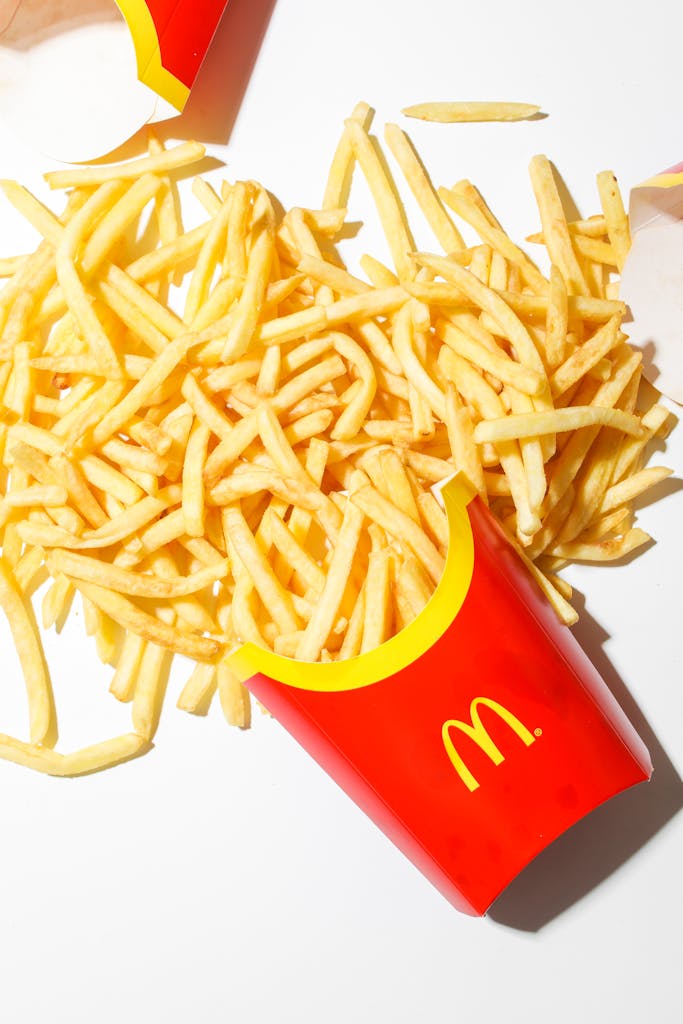
There’s a common American stereotype that Americans are fast-food obsessed. With more than 207,827 fast food places across the country, it’s easy to think that they must be fast-food lovers, when in reality, those are just businesses and don’t reflect the people themselves. Like the point above, everyone is different and brings a unique flavour preference to the table, and that’s not always fast food. Everyone likes different things, and while some love fast food, others don’t. To think that the entire country is obsessed with fast food is a silly over generalisation that simply doesn’t speak to the truth. In fact, many individuals prioritise healthy eating or enjoy cooking at home, showcasing a diverse range of culinary interests. This variety in food preferences highlights the richness of cultural influences and personal choices that shape our eating habits.
3. Ignorant of Geography
It’s common to think that Americans are ignorant of geography. This is a damaging stereotype that perpetuates the idea that Americans aren’t intelligent and are geographically unaware of their surroundings. People are quick to think that Americans don’t know where any other country is or how life is there. However, many Americans are actually well-informed about global geography and culture, often engaging in travel or education that broadens their understanding. This stereotype overlooks the diverse experiences and knowledge that individuals possess, which can vary widely from person to person.
4. Obesity
Another common American stereotype is that Americans are obese. This oversimplified perception is harmful, untrue, and lacks substance. It doesn’t account for anything other than height and weight, which we already know isn’t a clear baseline of health. It fails to capture the complexities of what health is, how to live a healthy lifestyle, and what that means from person to person. It completely ignores other important factors like genetics, socioeconomic status, and whether or not there is adequate access to healthy food options. While it is true that obesity is a major public health concern in the United States, it’s also true that millions of people lead active and healthy lifestyles.
5. Patriotic
When most people think of Americans, their love for their country comes to mind first. People often assume that everyone at their backyard barbeques wears red, white, and blue, with flags soaring everywhere. While some Americans are extremely patriotic, it would be unjust to assume everyone is. Each person is unique, and we shouldn’t stereotype them as patriotic.
6. Gun enthusiasts
The stereotype that Americans are gun enthusiasts is completely false. In 2023, only 42% of American households owned at least one gun. That is less than half the households! The media portrays Americans as major gun enthusiasts, but many actually believe there needs to be stricter gun control and gun laws.
7. Sports Obsessed
There’s a stereotype that Americans are obsessed with their sports. Whether at the college or professional level, people in other parts of the world often assume that every American is passionate about sports. But, just like in other places, while some may be sports obsessed, it’s not a fair assessment to apply it to everyone.
8. Work-aholic Culture
A strong work ethic and an unwavering commitment to individual professional success fuel the American stereotype that they work really hard and value their jobs. While there are many American professionals that fit this, it’s not everyone. The stereotype suggests that Americans value their jobs above everything and that they’ll sacrifice their personal relationships, leisure, and health just to climb the “corporate ladder.” While some Americans prioritize their jobs above all else, there are also many who do not. America is a vast country, home to millions of people, and this stereotype not only caters to a specific type of person but also excludes others.
The Takeaway
In the end, it’s likely that most stereotypes you think of concerning America are completely false, and this article could be much longer explaining them all. Stereotypes can be very harmful and hurtful; they don’t paint the real picture. It’s important to not depend on stereotypes for information and instead approach situations more inclusively and thinking diversely.