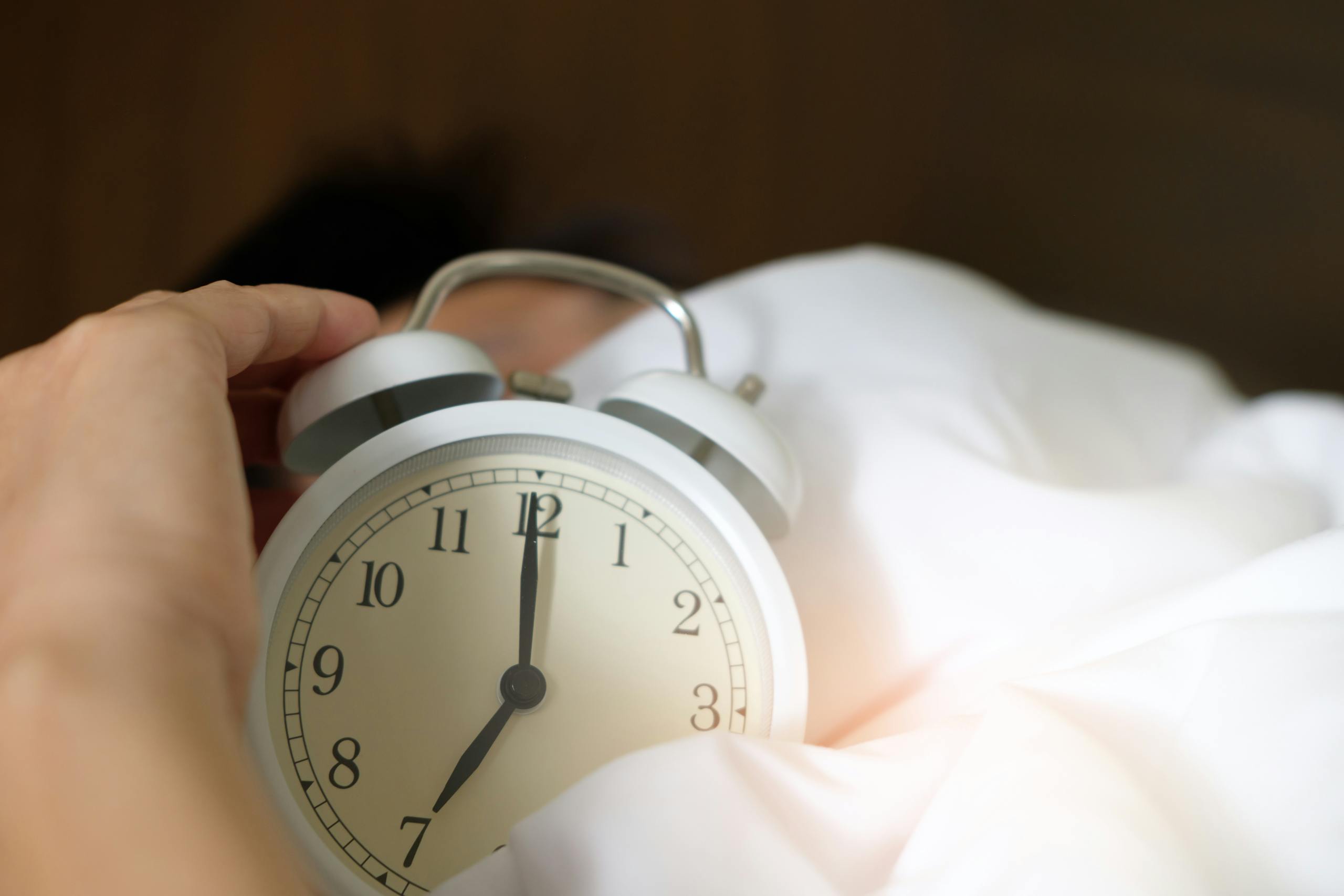
Why You’re Always Tired Even When You Get Enough Sleep
Are you waking up after a full eight hours of sleep and finding you’re still tired? Rather than feeling refreshed and ready to start your day, you hit the snooze button for the third time and internally battle the dread of knowing you have to drag yourself out of bed soon (or, rather, had to drag yourself out of bed twenty minutes ago.) Feeling tired all the time isn’t just irritating, it also impacts your mood, productivity and overall quality of life. But why exactly does this happen? How is it possible to sleep so long and still feel so tired? We’re exploring the surprising reasons behind your chronic tiredness and helping you understand what’s really emptying your energy tank, including what you can do about it.
Sleep Quality vs. Sleep Quantity
Ensuring that you get the recommended eight hours of sleep each night doesn’t guarantee you’ll feel rested. Quality is equally, if not more, important than quantity. You need to make sure that you’re getting enough quality sleep, not just enough hours sleeping. Your sleep quality plays a crucial role in how refreshed you feel in the morning. If your sleep has a lot of interruptions or if you’re dealing with a condition like sleep apnoea, your body might be stopped from completing full sleep cycles. If your body can’t complete its natural sleep cycle rhythm, then that could be why you’re feeling so fatigued in the morning.
Signs Your Sleep Quality Needs Work:
- Waking up in the morning feeling tired.
- Hard to wake up in the morning and you often hit snooze on the alarm.
- You’re sleeping during the day or feeling a heavy drowsiness.
- Trouble concentrating.
- Mood changes.
- Snoring or breathing issues.
- Restless legs.
- Night sweats.
Lifestyle Choices That Drain Energy Levels
Even IF you’re getting the right number of hours of sleep, you might be partaking in lifestyle choices that still drain your energy levels. Consuming a diet high in sugar, caffeine and heavily processed foods can cause spikes and crashes in your blood sugar, which therefore can leave you feeling really sluggish. Pair that with a sedentary lifestyle with prolonged sitting and the lack of movement can slow circulation and make fatigue feel like a constant companion. Chronic stress is another significant lifestyle factor that can be contributing to poor sleep quality. Stress is draining both mentally and physically and can be very impactful on sleep quality.
Underlying Health Conditions
There may be health problems that need to be looked into if you feel tired even after getting a full night’s sleep. Thyroid problems, anaemia, and diabetes are some conditions that can make it hard for the body to keep its energy levels up all day. Sleep disorders such as sleep apnoea, restless leg syndrome, and chronic insomnia can significantly affect sleep quality and overall energy levels. These kinds of health problems mess up the body’s natural sleep cycles that help it heal and feel more rested. Mental health problems like anxiety and depression can make tiredness worse, which can affect sleep quality and energy.
Circadian Rhythm and Sleep Timing
Your body has a natural internal clock that is extremely important in how it functions. This is called the circadian rhythm. The circadian rhythm plays a vital role in regulating energy and alertness. If you go to bed and wake up at inconsistent times, it can throw the rhythm off, leaving you feeling groggy and unrefreshed. Other things like jet lag, shift work or exposure to artificial light at night can further interrupt the cycle. Essentially, in this case, the body doesn’t know when to sleep and when to be awake, resulting in a sort of tired feeling that never seems to ease.
The Environment
Even if you’re “technically” getting eight hours of sleep, the environment in which you’re sleeping in can make a major difference in how rested you feel in the morning. Bedrooms that are too hot, too noisy, too bright, etc., can interrupt the body’s natural sleep cycle. Poor lighting can interfere with the body’s natural sleep cues while poor-quality pillows and mattresses can make sleeping feel uncomfortable and bring a lot of tossing and turning. Lastly, electronics and screens before bed can interfere with melatonin production, which affects your energy levels in the morning as well.
Physiological and Emotional Contributors
Your physiological and emotional health can make a significant impact on how rested you feel after sleep. Constant decision-making, overthinking, and anxiety can lead to mental fatigue. This emotional state can make sleep feel less restorative.
How To Boost Sleep Quality
If you’re wanting to boost your sleep quality, there are a few simple lifestyle tweaks that can make a difference. To start improving it, keep a consistent wake and sleep schedule, make your room cool and dark, avoid screens at least an hour before bed and incorporate regular movement throughout the day to support sustained energy levels. In addition, pay attention to what you eat and drink. Stay hydrated, eat a balanced diet and avoid excessive sugar. Practise mindful strategies like meditation, journaling and deep breathing to manage stress better.
When To See A Doctor
If you’ve made lifestyle changes and you’re still waking up feeling exhausted, it might be time to see a doctor for medical advice. Ongoing, persistent tiredness can be a symptom of something more serious underneath. A healthcare professional can run tests, develop a plan and help you feel more empowered in your journey with sleep.
Understanding Why You’re Always Tired
Feeling tired even after a full night’s sleep might be a sign of something more than just you needing to spend more time in bed. Energy also comes from nutrition, exercise and stress management. By looking beyond the simple reasons for being tired, you can better identify the root of it and be able to create a plan to deal with it. Paying close attention to your personal patterns, like what you’re eating, when you’re waking up and going to bed and how much movement you’re getting each day, can make a big difference in your overall energy.