47 Things You Can Eat in the Wild To Help You Survive
Before you hit the road for a fantastic outdoor adventure, knowing some safety rules just in case of an emergency is key to a good time. From prioritizing finding shelter to finding a water source and remaining hydrated to packing items that will help you signal for help are all things that can help you survive. But what about if you run out of food or you wander off the path and struggle to find your way back? Do you know what is safe to eat in the wild? Lucky for you, we’ve compiled a massive list of 47 things you can eat in the world to sustain survival. Ready for an adventure? Let’s go!
Edible weeds.
There are several edible weeds you can find in the wild to help you survive, but there are a few safety rules to be aware of before you do. Only eat things that you are 100% sure are safe. If you’re not sure if it’s safe, don’t eat it. But here are a few guidelines if you’re very hungry and unsure if a weed is edible. First, smell the weed, and if it smells awful, don’t eat it. Hold the plant to your inner elbow or wrist for a few minutes and watch for any negative reaction, such as itching or burning. If this occurs, don’t eat it. After 15 minutes, if there isn’t a reaction, then gently kiss the plant with your lips and wait 15 minutes again for a reaction. If there’s no reaction, then take a small pea-sized bite and wait 15 minutes again for a reaction. If there’s no reaction by this point, then what you’re eating is probably not lethal.
1. Purslane
Purslane is a highly nutritious weed. It’s green and leafy and can be eaten raw or cooked. Purslane comprises 93% water and has red stems and small green leaves. It thrives in warm, sunny environments and has a taste similar to spinach.
2. Dandelion
Dandelion can be enjoyed raw or cooked. It has a slightly bitter flavor. Dandelion can be enjoyed on its own, tossed with a salad, or made into tea. (Assuming that you have some salad stuff or a pot to boil water over a fire.)
3. Broadleaf plantains
Broadleaf plantains are nutrient-rich. They can be eaten raw or cooked. The leaves on a broadleaf plantain weed can be anywhere from 5 to 30 centimeters long, and the stems have string-like veins that can also be seen on the leaf.
4. Clover
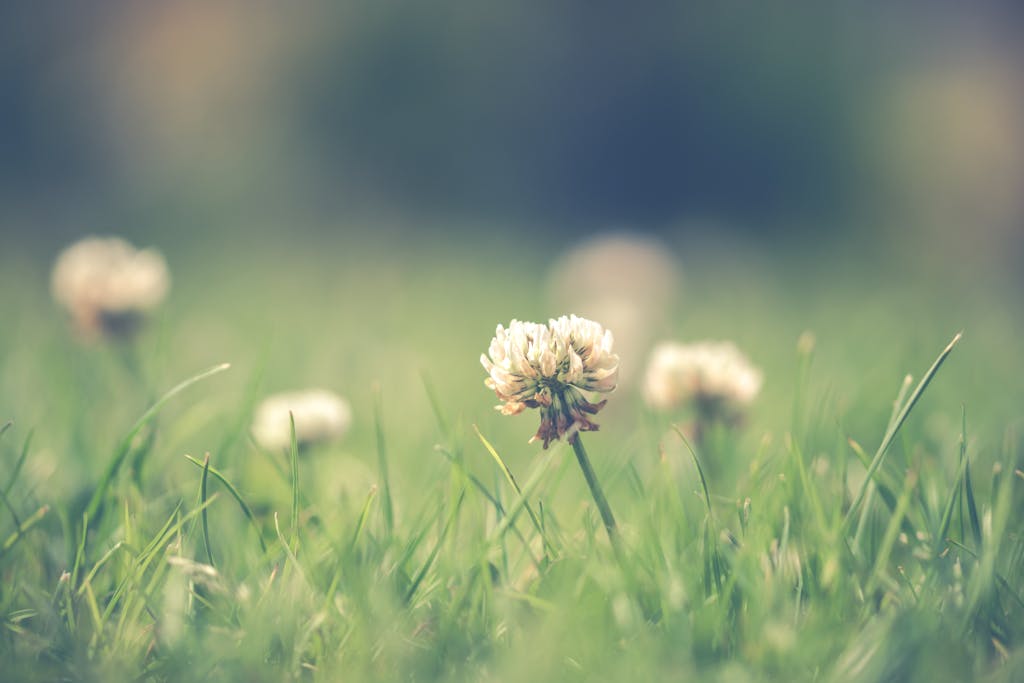
Clover is a common weed that can be found all over the world. It’s rich in antioxidants and contains helpful anti-inflammatory compounds.
5. Chickweed
If you find chickweed in the wild, it’s safe to eat. Chickweed leaves are oval-shaped with a slightly pointed tip. There are also small white flowers. Chickweed contains vitamins A, C, and E and supports healthy digestion.
6. Stinging wire
Stinging nettle has long since been a staple in herbal medicine. It’s rich in vitamins A, C, and K, as well as calcium, iron, magnesium, and phosphorus. Stinging Nettle has heart-shaped leaves with serrated edges and small greenish-yellow flowers.
7. Watercress
Watercress has a peppery taste. It’s slightly bitter but safe to consume raw. The weed is small with small round leaves and clustered white flowers.
Edible berries:
Finding berries in the wild isn’t hard, but knowing which ones to eat and which ones not to can be a challenge. Before you embark on your outdoor adventure, you should familiarize yourself with local wild-grown berries. Know what types grow wild where you’re adventuring. A few guidelines to identify edible berries are that bumpy skin is typically a good sign. Berries that are blue, black, or purple are generally good; avoid eating green, white, or yellow ones.
- Blueberries
- Raspberries
- Blackberries
- Strawberries
- Mulberries
- Dogwood berry
- Salmonberry
- Sumac
- Black currant
- Elderberry
- Gooseberry
Edible plants:
Before you get out in the outdoors, it would be a good idea to get to know what edible and non-edible plants look like. Many plants may look similar to one that is edible and turn out to be poison instead. Pay close attention to what the leaves, roots, and flowers look like.
1. Cattails
The entire cattail plant is edible. From the roots, shoots, and pollen, you’re in luck if you spot a cattail plant in the wild.
2. Yarrow
Yarrow is a fantastic digestive aid, great for wound healing, and contains anti-inflammatory compounds. The herb typically grows 1-2 feet tall and has feathery leaves with clusters of small white or pink flowers.
3. Bugle weed
Bugle weed is a versatile plant that you can eat in many ways. It has indigo-ish-colored leaves and tons of antioxidant properties.
4. Mountain sorrel
Mountain sorrel is a small edible plant that has a lemony taste. It’s nutrient-rich and, normally, quite easy to find. Its’ leaves are a triangular type with small yellow flowers.
A few more edible plants in the wild:
- Sweet flag
- Bergamot
- Sunflower
- Chicory
- Amaranth
- Burdock
Edible other:
You can eat some random things if you’re trying to survive the wild. For example, grasshoppers, wild apples, acorns, walnuts, sunflower seeds, mushrooms, and wild leeks are a few. Always make sure to learn about the common things you can find in the wild in the area you’re exploring before you venture out.
Edible flowers:
There are many types of flowers you can eat in the wild to help you survive. If you’re not sure how to identify the different species, make sure to test a small amount first. Don’t just dive into eating a whole bunch of the flower if you’re not 100% certain it’s safe. Look for flowers with less hair/spines, as this is commonly an indicator of poison. Finally, look for flowers without a milky sap, as this is also a factor in unsafe flowers.
- Milkweed
- Creeping bellflower
- Spring beauty
- Toothwort
- Trout lilies
- Virginia waterleaf
- Wild roses
- Jewelweed
- Lilacs
- Dead nettle
Final thoughts.
Outdoor adventures can deepen your connection to nature, improve your mental health, and increase happiness. But if you’re not prepared, they can also be dangerous. Make sure to always tell someone when you’re going into the wild, pack a safety bag, and know the area. Get to know locally grown flora and berries so you can identify which are safe and which aren’t.
And finally, if you’re not sure if it’s safe, don’t eat it. Opt for a small pea-sized bite and watch for a reaction. Stay away from brightly coloured fruits and any plantation with spines or hair. Getting outdoors in the wild is amazing and is sure to be an adventure. Knowing what you can and can’t eat in the wild can help you enjoy your time even more.