Why Boomers Think Britain Has ‘Lost Its Manners’ — Are They Right?
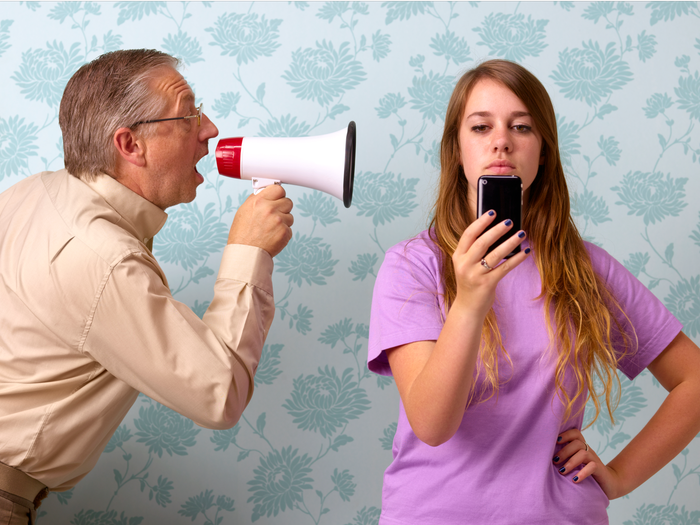
If you’ve ever been enjoying a bite to eat in your local restaurant and overheard a Boomer complaining about the next table having their phone on speaker, you’ll know what they are really trying to say. Many older Brits genuinely feel that politeness has taken a nosedive, that Britain is less polite and more chaotic than it was in their day. But are manners really in decline, or is it just a generational version of rose-tinted nostalgia?
Has Britain lost its manners?
From the queue-jumper who sneaks in front at Tesco to diners filming their meals instead of thanking the waiter, boomers feel like British politeness is steadily slipping away. Recent surveys suggest that over half of Brits feel table manners are not what they used to be, whether that’s constantly checking your phone, eating and talking at the same time, or keeping your elbows off the table. Boomers grew up in a Britain where being polite was a priority and a way to deal with awkward social encounters.
Younger generations have a different style. Independence, honesty, and authenticity tend to rank higher than formal niceties. They may ignore table rules or talk over someone not out of malice, but because etiquette isn’t front-of-mind when texting, snapping, and juggling Zoom calls. In short, boomers equate manners with respect, while Gen Z equates respect with listening, consent, and general awareness. A “please” and “thank you” are still nice, but not the ultimate measure of decency.
Are younger generations just rude?
Some of the rules of old-school politeness are fading. Phones at the table, casual speech, and informal dress codes in offices are just a few examples. Yet, research shows many of the “decline” claims are exaggerated. British politeness isn’t gone, it’s just adapted. People still hold doors, still queue (most of the time), and still say “thank you” when it counts. It’s just that a few classic gestures, like formal introductions, have slipped down the priority list. A King’s College London study highlights that values around independence and self-expression are now emphasised over strict obedience or rigid social norms. In other words, manners aren’t extinct, they’ve just adapted a little.
What manner violations trigger boomers?
So what manner violations tend to annoy boomers the most? Here are some of their most common peeves:
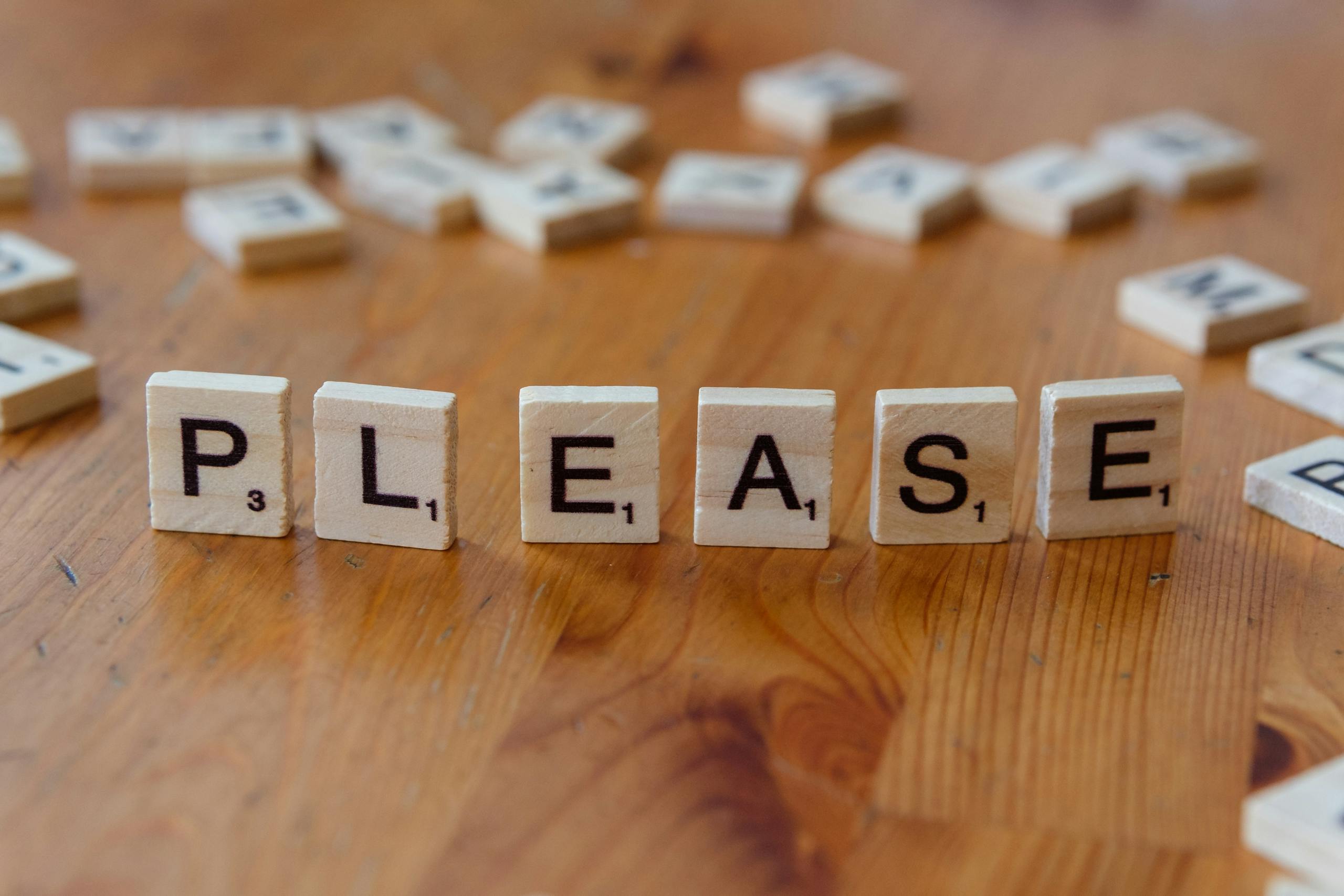
- Skipping please and thank you. Forget a “thank you” and you might get an eye-roll and some loud “tutting” from a boomer.
- Disrespect for authority. Boomers see flouting the rules as a sign the world’s going downhill.
- Constant phone scrolling. Texting, tapping, swiping mid-conversation? Unthinkable. In their day, a conversation was a conversation.
- Neglecting classic chivalry. Holding doors, offering seats, and small gestures of consideration are things that boomers complain are on the decline.
- Being late. Being late was seen as a lack of respect before mobile phones arrived on the scene and allowed instant updates. So, now there’s no excuse for being late without an instant excuse.
- Not returning a call properly. WhatsApp, emojis, or voice notes don’t cut it. Boomers want a phone call, even if it’s just to say “I got your message.”
At the same time, Gen Z isn’t rude. Digital etiquette and social awareness often take priority over formal niceties. To younger Brits, not saying sorry multiple times or sending a quick message or voice note isn’t disrespect; it’s just a sign that conversation has evolved.
The bottom line
Are Boomers right that Britain has lost its manners? Only if you measure them by the standards of their youth. In reality, politeness hasn’t disappeared, it’s evolved slightly. Boomers still value the rituals of courtesy, while younger generations express respect in ways that fit a fast-moving, tech-driven world. And maybe both approaches could learn a thing or two from each other.