The Quiet Crisis Happening in British Town Centres
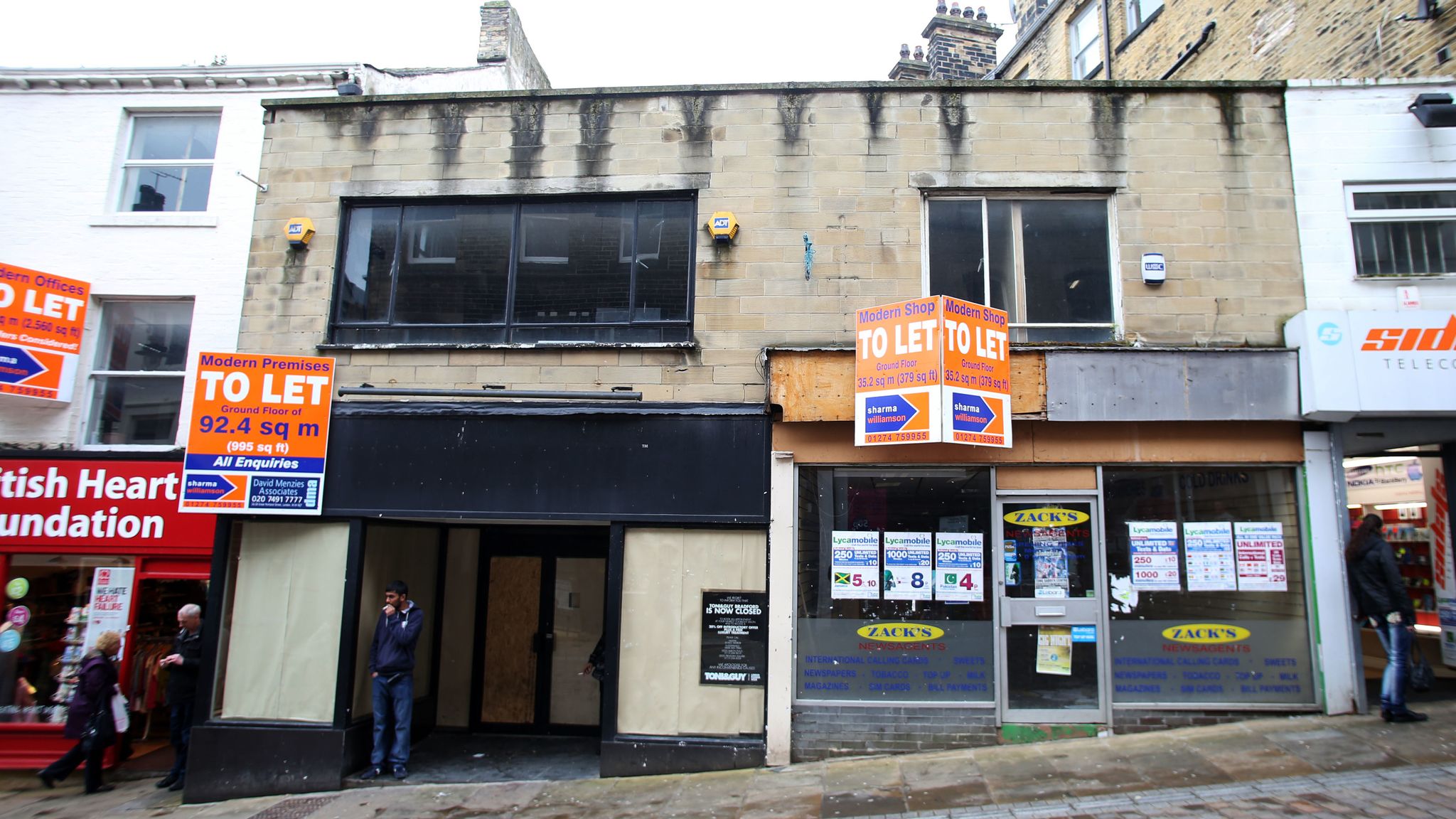
Walk through almost any town centre in Britain today and you’ll see the same scene repeating itself. Shops boarded up. Once busy pedestrian zones that now just feel hollow and empty. A few determined independents trying to inject life into streets that have lost the bustle they once had. So what caused this sad decline? It didn’t happen overnight or for one single reason. It’s been a slow unraveling, year by year, until the familiar high street many people grew up with began to feel unrecognisable.
A nationwide crisis
Britain’s town centres have been hit by a melting pot of pressures over the past few years (and that’s all after the impact of Covid too). Online shopping has shifted spending habits, business costs rose faster than small retailers could manage, and out of town retail parks have pulled footfall away with free parking and modern facilities. Local investment stalled during the years when high streets needed it most, leaving many areas unable to adapt or survive.
In response, the government announced in October the launch of the Pride in Place fund, giving 169 communities £2 million a year for a decade and another 95 places a £1.5 million one off payment. Residents in Hull and the South East who have been ear-marked for this funding welcome the support, but remain sceptical about whether the money will be used effectively or reach the issues that matter to each community.
Which town centres are in crisis?
The reality is that the majority of town centres share the same pressures: low investment, shrinking local economies and a high number of empty retail units. The hardest hit include:
- Blackpool. Shop closures, seasonal employment, and ongoing deprivation mean Blackpool’s town centre has gone from a vibrant seaside gem to a struggling coastal community. While the Tower and ballroom remain, the rest of the town needs regeneration.
- Wrexham. Once a bustling market town, Wrexham has suffered from retail closures, ageing infrastructure, strong competition from retail parks, and high crime rates. Even with significant investment already, the centre has not recovered the vibrancy it once had.
- Bradford. According to a recent report, Bradford has more empty shops than most cities in the UK. High rents, closure of shopping centres, and a focus on retail over restaurants and culture are some of the reasons given for the number of vacant units.
- Middlesbrough. Declining footfall, high shop vacancies and economic pressures have taken a visible toll on Middlesbrough, with several long standing chains closing their doors. Investment in regeneration has been made, but some question how wisely it has been invested.
- Dudley. Dudley town centre has been deteriorating for some time, with larger chain stores and independent shops closing down. Added to that the council implementing charges for parking has discouraged visitors even more, who instead head to surrounding towns and retail outlets.
Where resilience remains
Not all British town centres are struggling. Some have managed to stay buoyant thanks to strong local economies, higher than average incomes, university populations or a strong tech presence.
- Cambridge, for instance, benefits from world leading institutions, stable employment and consistent tourist footfall.
- Milton Keynes has a modern layout, strong transport links and a retail offering that continues to draw in both locals and visitors.
- York is one of the most resilient historic centres in the country, thanks to independent businesses, thriving tourism and a carefully preserved centre
These places show that when economic confidence meets thoughtful planning, town centres can still flourish.
The bottom line
Britain’s town centres are at a crossroads. Investment helps, but the real challenge is rethinking what high streets are supposed to be. Retail alone cannot carry them anymore. The towns that will thrive are those turning empty units into homes, co working spaces, cultural hubs, food venues and community spots. The decline is not inevitable, but renewal takes imagination, not just money.