Fall of an Ally Sparks Collapse of Russia’s Mediterranean Naval Power
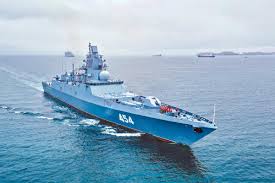
Russia’s naval dominance in the Mediterranean — once maintained with confidence from its Syrian foothold — is facing a dramatic collapse. What had been a permanent naval task force has been reduced to occasional, minimal deployments; the loss of a strategic base, combined with maintenance and logistical challenges, has left the Russian fleet struggling to project power beyond its home waters. (Defense News)
The End of a Forward Base: Loss of Tartus Cuts Lifeline
Central to Russia’s previous Mediterranean presence was a naval base at Tartus, Syria — a critical hub for refuelling, maintenance and rotation of warships and submarines. That base was indispensable for operating the so-called Mediterranean Sea Task Force. (RUSI)
But in late 2024, following regime change in Syria, the new government terminated agreements allowing Russia to use Tartus, forcing a full withdrawal. (Wikipedia) Without a nearby port for support and logistics, Russia lost its ability to sustain a fleet presence there — a blow from which its Mediterranean force has since struggled to recover. (United 24 Media)
Retreat and Mechanical Troubles — A Navy Strained by War
Compounding the strategic setback, the fleet has been hit by maintenance problems and resource shortages. One vivid example is the diesel-electric submarine Novorossiysk, once a staple of Russia’s submarine deployments in the region. In late 2025, Novorossiysk suffered a serious mechanical failure and was forced to return to the Baltic — an unusually conspicuous and uncomfortable voyage surfaced, drawing the attention of foreign navies. (Naval News)
This mechanical failure, while perhaps isolated, reflects deeper systemic problems: a navy stretched thin by war in Ukraine, constrained maintenance capacity, and now lacking local bases to service and resupply vessels — all contributing to a dramatic decline in operational readiness. (Maritime Executive)
From Permanent Presence to Occasional Voyages
At the height of its Mediterranean deployment, Russia maintained a sizable task force — at times up to fifteen warships, including submarines, surface combatants and support vessels. (Wikipedia)
As of mid-2025, NATO officials report only “a few maritime assets” operating in the region at any given time: perhaps a single submarine or frigate, plus a handful of auxiliary or intelligence vessels. (Defense News) The once-mounted strategic presence is now reduced to occasional deployments — a shadow of its former force.
Some analysts argue that Russia might attempt to re-establish a regional foothold by seeking a new naval base in North Africa — perhaps in Libya or Algeria. But such an effort would take time, require political cooperation, and may not compensate for the loss of Tartus and the logistical convenience it provided. (RUSI)
Why This Decline Matters — For Russia, NATO, and Mediterranean Stability
The collapse of Russia’s Mediterranean fleet undermines Moscow’s ability to project power across Southern Europe, North Africa, and the Middle East. It weakens its influence in maritime diplomacy, intelligence gathering, and rapid military intervention.
For NATO and European states, it reduces the immediate threat of Russian naval presence at Europe’s southern flank — potentially easing pressure on NATO’s maritime defences. It may also shift naval competition northwards, as Russia reportedly refocuses resources on the Baltic Sea and Arctic/Northern Fleet operations. (United 24 Media)
Moreover, the decline of Russia’s fleet — combined with successful attacks on its Black Sea and “shadow-fleet” oil tankers by Ukraine and allies — reflects a broader erosion of Russia’s capacity to sustain long-range naval operations while managing a draining land war in Ukraine. (Maritime Executive)
What Happens Next — Is Resurrection Possible?
Analysts remain skeptical that Russia can quickly rebuild a robust Mediterranean presence. Without a nearby port base, its vessels must transit thousands of kilometres from the Baltic or Northern Fleets — a demanding journey that reduces deployment duration and increases maintenance strain. (RUSI)
While plans for a new overseas base — perhaps in North Africa — have been floated, political uncertainties and logistic challenges make any such revival unlikely in the near term. Until there is a clearly restored supply and maintenance network, Moscow’s naval influence in the region will likely remain limited.
For now, the “Mediterranean task force” exists more in name than in force — a reminder that even powerful fleets can struggle when deprived of bases, supply lines and purpose.
- What Should I Write When Manifesting? A Practical Guide for Powerful Scripting
- How to Know What to Manifest: A Clear Guide for Aligned Desires
- How to Manifest When You Have Anxiety: A Gentle Law of Attraction Guide
- How to Manifest When You Feel Negative: A Gentle Law of Attraction Guide
- How to Manifest When You Have Doubts: A Practical Guide to Trusting the Process