Brits Urged to Prepare for ‘760-Mile Snow Blast’ and Brutal Freeze Over New Year
Britons are being warned to prepare for a major winter weather event as forecasts indicate a sweeping cold snap — covering up to 760 miles across the country — with heavy snow and plunging temperatures expected in the run-up to, and through, the New Year. Meteorologists say this could be one of the most sustained cold spells of the season, bringing travel disruption, health risks and a renewed strain on infrastructure already challenged by winter conditions.
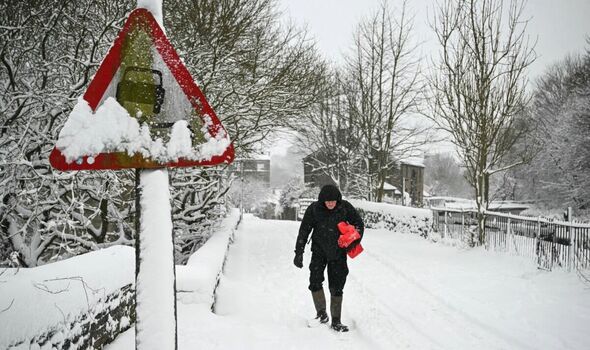
The weather system is driven by a combination of polar air masses and shifting jet stream patterns, funneling frigid air southwards from the Arctic and across the UK. The result? A widespread “snow blast”, with the potential for heavy snow in parts of Scotland, Northern England, Wales and even southern counties — plus a bitter plunge in temperatures that could see thermometers drop as low as -9°C (15.8°F) in some areas.
What the Forecast Says
According to the latest Met Office outlook:
- Heavy snowfall may affect much of Scotland and Northern England, and periods of snow are forecast further south later in the week.
- Sub-zero temperatures are expected across large swathes of the UK, especially overnight and in rural areas.
- Wind chill could make conditions feel even colder, raising the risk of frostbite and hypothermia among vulnerable people.
- Icy patches are likely on untreated roads and pavements, increasing the risk of slips, falls and travel disruptions.
The coldest nights could see temperatures plunge as low as -9°C, with some rural or exposed areas dipping even lower — a chilling end to what has already been a challenging winter season for many communities.
Impact on Travel and Roads
Motorists and commuters are being urged to take extra care after Christmas as heavy snow and ice threaten to make journeys treacherous. Highways England and Transport Scotland have both issued warnings that snow and ice could lead to road closures, hazardous driving conditions and longer journey times.
Rail operators are preparing for potential disruption, with Network Rail warning that snow on tracks and freezing points could delay services, particularly in the north and west. Passengers are being advised to check before they travel and allow extra time for journeys.
Airports have also signalled that severe weather could affect flights, particularly to and from northern hubs. Passengers travelling over the festive period are advised to stay in close contact with airlines and prepare for the possibility of delays or cancellations.
Health Risks Highlighted
The intense cold poses real health risks, especially for the elderly, young children and those with existing medical conditions. The combination of winter viruses and low temperatures can exacerbate respiratory and cardiovascular problems, doctors warn.
Public Health England and NHS bodies are urging people to dress warmly, avoid prolonged exposure outside and ensure their homes are properly heated, especially during the night when temperatures are expected to be lowest.
Cold weather is also known to increase the risk of falls and accidents, particularly on icy pavements. Hospitals and emergency services are bracing for an uptick in admissions related to slips, trips and weather-related injuries.
Energy Demand and Household Preparedness
Energy suppliers are warning that the cold snap could increase demand for gas and electricity as households turn up heating to stay warm. Britons are being reminded to check their boilers, insulate pipes to prevent freezing and keep an eye on vulnerable neighbours or relatives who may struggle with the cold.
The government’s “Prepare for Winter” guidance encourages households to have essentials ready, including:
- Bottled water and non-perishable food
- Warm blankets and clothing
- A battery or wind-up torch and radio
- A stock of medicines and first-aid supplies
- A standby power bank for mobile devices
Schools and Community Services on Alert
Local councils are preparing for the possibility of school closures and disruption to community services if snow becomes heavy and persistent. Parents are advised to check with schools for updates, particularly for children who rely on buses or public transport.
Community centres and charities are also mobilising support, offering warm spaces and assistance to those who may otherwise be at risk during the cold spell — including rough sleepers and others facing hardship.
Why This Weather Is Happening
Meteorologists say the current forecast relates to a combination of factors including:
- A southward shift of cold Arctic air
- A weaker than usual jet stream allowing frigid air to settle over the UK
- Moisture from the Atlantic interacting with colder air to produce snow
This pattern is similar to other severe cold spells in recent years and reflects broader climatic variability that can bring both milder and harsher extremes to the UK.
Tips to Stay Safe in Extreme Cold
Experts recommend these steps as the UK braces for the big freeze:
- Limit time outdoors, especially at night
- Layer up — multiple warm layers trap heat more effectively than one thick item
- Keep mobile phones charged in case of emergency
- Check on elderly and vulnerable neighbours daily
- Avoid strenuous activity outside, particularly for those with health issues
Looking Ahead
The weather system is expected to remain in place into the New Year before gradually easing, though forecasters warn that bitter conditions could persist for more than a week in some regions.
For many Britons, this winter blast will be the harshest so far — and with travel expected to be disrupted and public services under pressure, the message from authorities and emergency responders is clear: prepare for significant cold, expect delays and take steps now to protect yourself and those around you.
- Can You Manifest While Sleeping? A Practical Law of Attraction Guide
- Can You Manifest at Any Time? How to Align With Your Desire Whenever You Choose
- Can You Manifest Something Impossible? A Practical Law of Attraction Guide
- Can You Manifest the Same Thing Twice? How to Align Without Doubt
- Can You Cancel a Manifestation? How to Redirect Your Energy with Confidence