10 Middle Eastern Customs That Are Considered Unusual By Other Countries
Vibrant culture, captivating traditions, rich history, gorgeous landscapes, and a complicated history of conflict string together the Middle East. It is a region with more beauty than words describe, colourful culture, and landscapes you must see to believe. From the tip top of striking mountains to the driest deserts and remarkable coastlines, there is so much worth visiting in the Middle East.
However, before you book your ticket, there are some customs you should learn about. Whether you’re interested in learning about the Middle Eastern way of life or need to ensure you know the laws before visiting, this article is spilling the beans. We’re diving into Middle Eastern customs that are quite unusual in other countries. Some you may already know about, but others might have you scratching your head in confusion! Ready to do a deep dive into Middle Eastern customs? Let’s go!
1. The Greeting
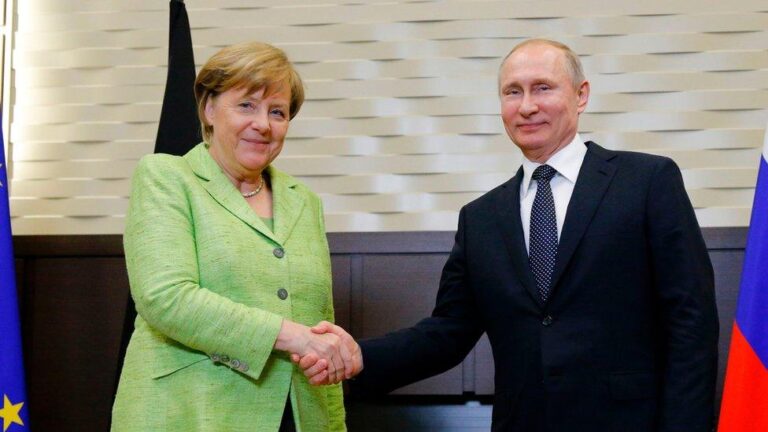
The Middle East is comprised of 18 countries, and customs may vary slightly from country to country. How you greet someone in the Middle East is quite different than in other parts of the world. Kissing is common across the world, but for people of opposite genders, it’s entirely out of the question in the Middle East. If you shake hands with someone, it’s best to keep a gentle grip rather than a firm one. Men in the Middle East may greet each other with a hug or kiss on the cheek, but this doesn’t extend to women. It’s considered impolite for Middle Eastern men to extend their hand to a woman outside of their family.
2. Dining Etiquette
Dining in the Middle East can be a beautiful experience. Delicious foods, amazing company, and fantastic conversation. However, there are several dining etiquette customs you should be aware of before you start eating. First, pork and alcohol are forbidden in many Middle Eastern homes. When you’re offered food, you must first refuse politely and only have some after the insistence of the host. You must never eat or pass food with your left hand (don’t worry, we’ll share more about that below). Additionally, you must leave a small amount of food on the plate as it’s considered polite, and since dining together is the focal point, you should leave shortly after eating.
3. Direct Eye Contact
Before you have any conversations with anyone in the Middle East, make sure you know their customs for direct eye contact. In the Middle East, it’s significant for several reasons. Direct eye contact conveys attentiveness and respect as well as honesty and sincerity. Whereas in England, direct eye contact can be perceived as negative and make people feel uncomfortable or intimidated.
4. Call to Prayer
Faith and prayer are of the utmost importance across the Middle East, and the call to prayer, known as the Adhan, is just one example of that. The Adhan is a powerful sound that echoes throughout the Middle East five times a day. It synchronizes the community with their religious practices.
5. The Clothing
Make sure you know the customs around clothing and what to wear if you’re traveling to the Middle East. It’s expected that people will dress conservatively. Wear loose-fitting clothing with tops covering shoulders, without cleavage, no ripped pants, and absolutely nothing sheer. For men, long trousers or jeans are best, but if they’re wearing shorts, then they must be at least knee-length. A T-shirt or button-down is suitable for a man as long as it’s loose fitting. Women should have a scarf or shawl available as well because some places require them to cover their hair.
6. Alcohol is Illegal
Depending on where you’re heading in the Middle East, consuming alcohol may be illegal. Some countries like Saudi Arabia and Afghanistan have banned the production, sale, and consumption of alcohol. Other countries like Qatar have made alcohol legal but with heavy regulations, including alcohol only being legal to consume in specific places, such as a licensed hotel. Lebanon, Turkey, and Israel have lighter rules, but public intoxication is still very frowned upon and could even result in jail.
7. Don’t Use Your Left Hand
In the Middle East, the left hand is considered unsanitary, and you simply don’t use it. The left hand is used for hygienic needs, so using it to eat or pass food is simply prohibited. Always use your right.
8. Keep the Soles of Your Feet Down
When you’re sitting down, make sure to keep the soles of your feet firmly planted on the ground. Showing your soles to someone, even accidentally, can be perceived as a deliberate insult. It’s also viewed as unclean and unsanitary.
9. Absolutely NO PDA
Do not engage in any public displays of affection in the Middle East. While the official laws may change from country to country, it’s essential to know that you could be detained, fined, or even spend time in jail if you’re caught kissing, gazing into each other’s eyes, or any other form of affection. It’s considered inappropriate and even offensive in some places.
10. No Thumbs Up
While you may know “thumbs up” as a good job or a little sign of encouragement, in the Middle East the very same sign can be seen as an insult. In fact, in many countries across the Middle East, giving someone a thumbs-up can be interpreted the same as giving someone the middle finger. Whatever you do, avoid giving thumbs up!
The Takeaway
When you consider these Middle Eastern customs, you might find yourself a bit overwhelmed or nervous at the thought of visiting, but rest assured, the Middle East is a spectacular place. With some understanding and open-mindedness, you can take these customs and apply them easily as you navigate travel plans through the Middle East. From the greetings to prayer, or the use of the left hand, these customs are just the tip of the cultural mosaic that is the Middle East. So continue with respect, patience, and willingness to learn, and take these customs with you as you navigate Middle Eastern culture.