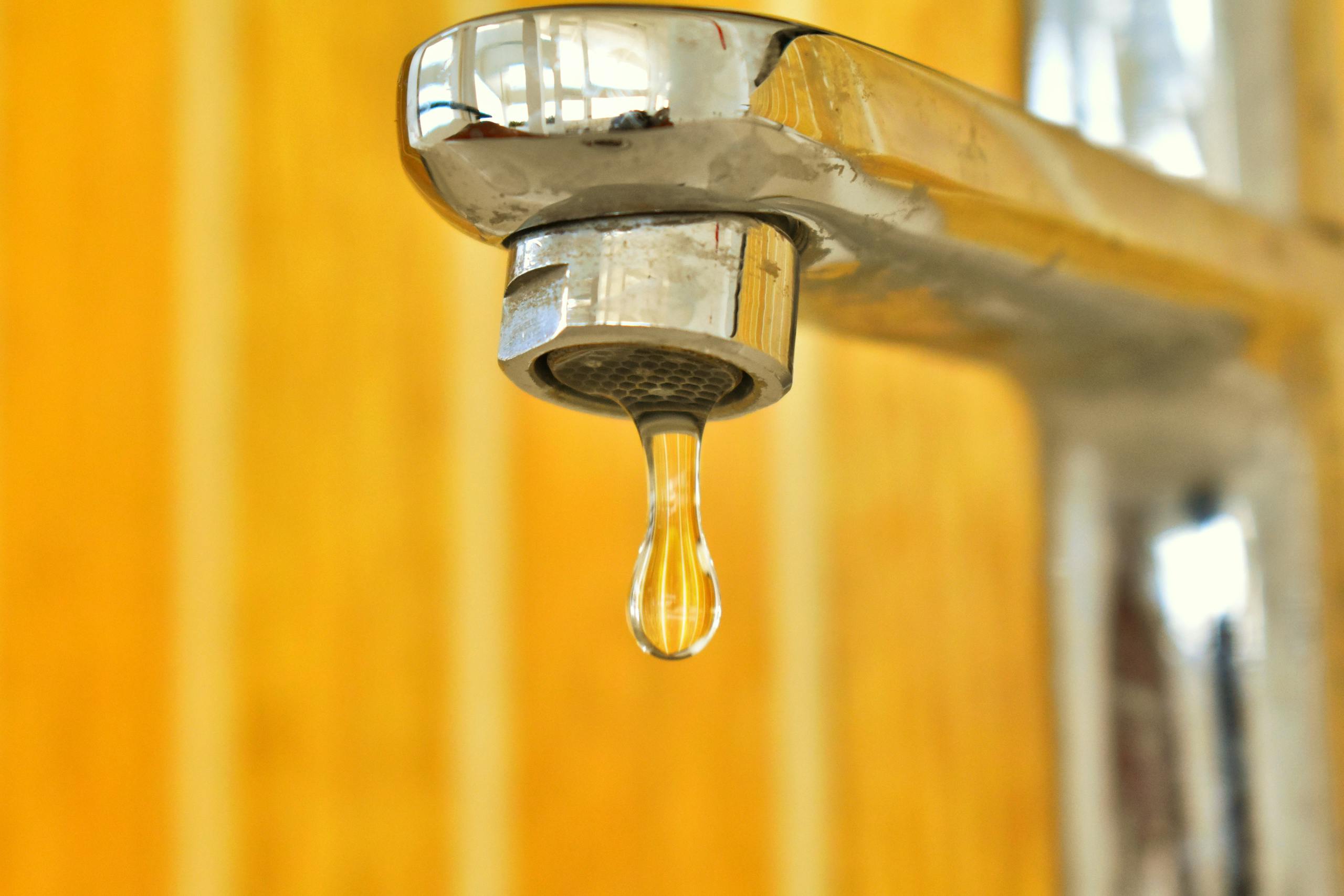
8 Reasons You Should Never Drink Tap Water
Tap water can seem like a safe and simple beverage choice. All you need to do is turn the faucet and it comes running out through the tap. While this may feel like the more convenient option, have you ever stopped and considered what is hiding in tap water? Most people assume it’s clean and regulated, but the truth is, tap water can be very harmful. It can contain harmful chemicals and dangerous microorganisms. Whether it’s because of the outdated, dirty pipes or unfiltered pollutants, drinking tap water can be more risky than you might think. Today, we’re uncovering some of the reasons why you should never drink tap water and the potential dangers that are quietly lurking in our faucets. Remember to read until the end to get all of the information so you can make healthy change.
1. Contaminants and Heavy Metals
There can be many contaminants and heavy metals in tap water, which can have possibly serious health concerns and risks. Lead, arsenic, copper, mercury, chromium, cadmium, manganese, nickel, nitrate and iron can often be found in tap water. These can lead to health risks like lead poisoning, arsenic exposure, mercury toxicity, copper contamination and fluoride overexposure. Below are a couple of examples of the health risks associated with contaminants and heavy metals being found in tap water.
- Lead Poisoning—can cause brain and nervous system damage, developmental delays, high blood pressure and kidney damage, and fertility issues and miscarriages.
- Arsenic Exposure—can cause increased risk of cancers, skin problems, and a weakened immune system.
- Mercury Toxicity—can cause neurological damage and kidney failure.
- Cadmium Exposure—can cause kidney damage and kidney disease, weakened bones and an increased risk of lung cancer.
- Copper Contamination—can cause nausea, vomiting, and, in high doses, liver and kidney damage.
2. Chlorine or Chloramine
Chlorine and/or chloramine are both effective disinfectants for water but can also create byproducts that can pose serious health risks over time. The byproducts can form trihalomethanes, which have been linked to liver damage and bladder cancer; haloacetic acids, which can cause cellular damage and increase cancer risk; and chlorinated volatile organic compounds, which can contribute to respiratory problems, an increased cancer risk, and skin and eye irritation. While chlorine and chloramine are both generally safe for water disinfectant, the long-term effects of the possible byproducts can cause serious health concerns.
3. Fluoride
Officials have been adding fluoride to public drinking water for decades in hopes of preventing tooth decay. However, there are some potential long-term consequences to excess fluoride exposure. Long-term fluoride intake can lead to skeletal fluorosis, which brings joint pain and stiffness. It can also lead to potential neurotoxic effects like a lower IQ in children and a delay in cognitive development. Fluoride consumption has also been found to affect thyroid hormone levels, which can affect mental health, weight management and more.
4. Pharmaceutical and Chemical Residue
Drinking tap water could expose you to pharmaceutical and chemical residues. There could be tiny trace amounts of prescription and over-the-counter medication in the water, which can affect and interfere with the body’s hormone system. Chemicals from agricultural runoff can cause many hormone-related issues, and many long-term effects from pharmaceutical and chemical residue being found in public drinking water are still unknown.
5. Parasites, Viruses and Bacteria
Turning the tap on and enjoying a cold glass of water may seem completely harmless, but, in reality, there could be parasites, viruses and harmful bacteria living in that water. There could be waterborne parasites that can cause severe gastrointestinal illness, like cryptosporidium and giardia, both of which can cause diarrhea, nausea and dehydration. Tap water can also be contaminated with bacteria like Escherichia coli, Legionella, and Campylobacter and viruses like norovirus and hepatitis A.
6. Microplastics
Microplastics are tiny plastic particles that can come from plastic waste and personal care products, among other things and can be found in tap water. There are several long-term health risks of ingesting microplastics, like toxic chemical exposure and hormone disruption. Microplastics attract and absorb harmful pollutants like pesticides and heavy metals, which can significantly affect health. When ingested, these toxins accumulate in the body and can lead to organ damage, cancer and more.
7. Old Contaminated Pipes
Old contaminated pipes can bring a lot of issues to drinking tap water. The pipes can leach harmful metals and bacteria into the water. Rust and corrosion from aging pipes can also release harmful particles into the water. In addition, there can be bacteria and biofilm growth on the inside of the pipes, which can seep into the water as well.
8. Safer Options
Though tap water can be convenient, there are several safer options that don’t come with all the health risks that tap water brings. For convenient at-home safe drinking water, consider installing a high-quality water filtration system. When you’re out and about, you can enjoy bottled spring water, distilled water or alkaline water. If you’re in a rural area and have a private well, that can be a safe and clean water source, but only if it’s tested properly and regularly.
Quick Refresh—Why You Shouldn’t Drink Tap Water
- Contaminents in tap water are really hard to remove.
- Bacteria, viruses, and parasites can be present in tap water.
- Old pipes can increase the risk of contamination.
- Heavy metals can leach into tap water.
- Pharmaceutical residue can be found in tap water.
- Agricultural runoff can contaminate water supply and enter tap water.
The Takeaway
In the end, it’s easy to see why you shouldn’t ever drink tap water. Though the quality of it does change from place to place in the world, it’s generally a good idea to drink something else instead. There could be contaminants, heavy metals, chlorine, and microplastics found in tap water. There are also things that can lead to longer-term health issues, like reproductive issues and hormonal imbalances. Using a safer option like filtered water or bottled spring water reduces the risk of ingesting contaminants. If you’re someone who drinks tap water, it might be time to reconsider and choose other options instead.