14 Hurdles the Younger Generations Will Never Have to Face
Growing up in a different era meant new hurdles and challenges. Some of these are hard to imagine for the younger generations as the world has evolved so much. From using dial-up internet to manual typewriters and everything in between, the hurdles the younger generations dodged are massive and inconvenient. Keep reading to find out more about hurdles the younger generations will never face.
Struggles that Younger Generations Don’t Understand
The number of struggles that the younger generations won’t ever understand is huge. From learning how to use landlines as your main contact source, using beepers to contact people (which only beep, and then you have to run to a payphone or some other phone to return the beep), watching TV commercials, living without a microwave, and so much more. The struggles that the older generations face helped shape who they became and how people communicated and built relationships. Ready to learn more hurdles the younger generation has the privilege of avoiding? Let’s go!
1. VHS Tapes
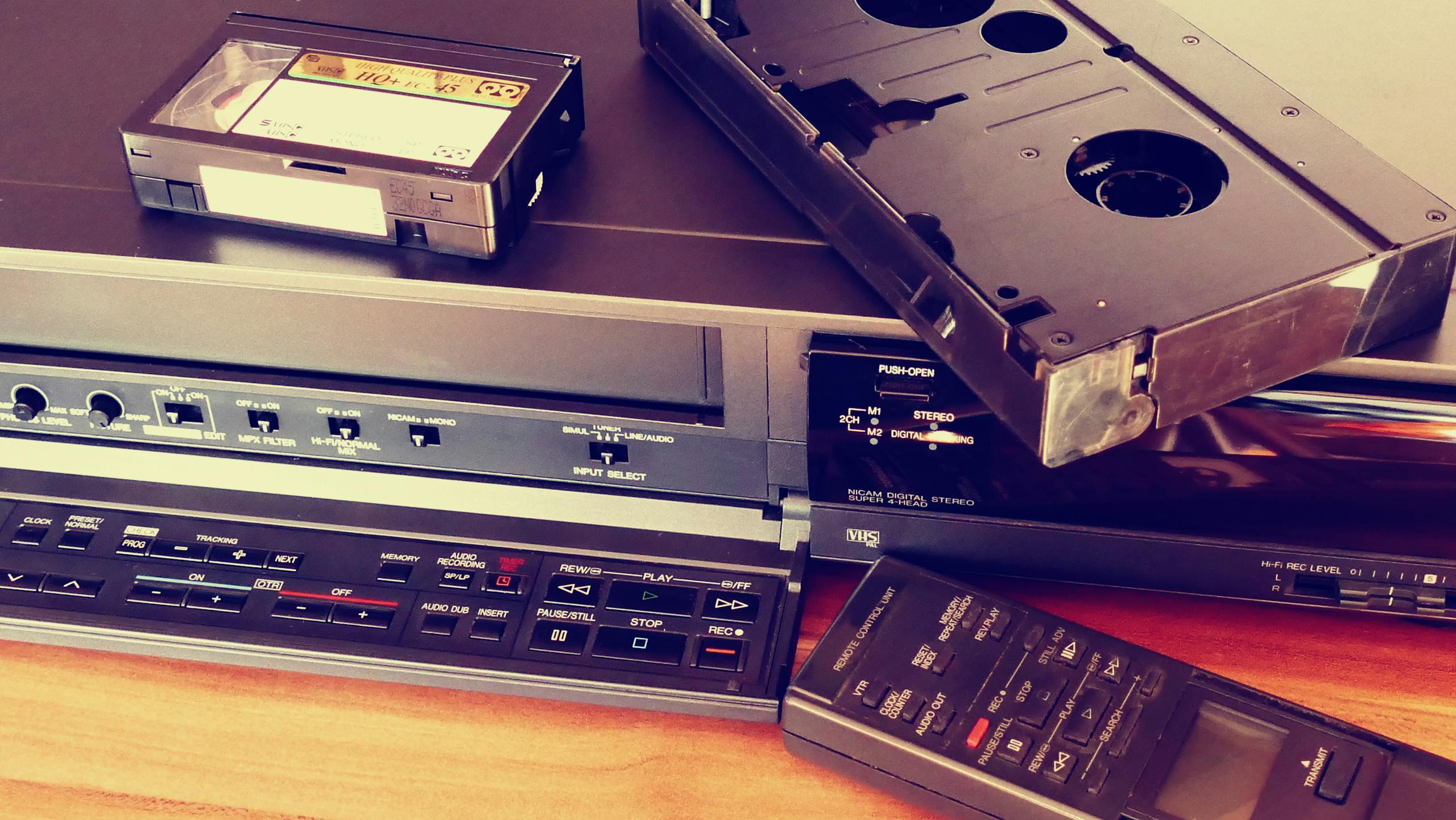
VHS tapes were black rectangular items with magnetic tape inside. Younger generations will never understand putting a VHS into a VCR player and the movie is right in the middle of the climax movie. Then, you’d have to stop it and press rewind to take it back to the beginning. Some people had it a little easier in that their VCR had a remote and they could rewind and play from the comfort of their couch, but many would have had to stand up and go over to the VCR and get the VHS ready manually before setting back into your comfy spot to watch the film. VHS tapes took the home movie industry by storm between approximately mid-1970s and 2000s. The first VHS film was in 1976, and the last one made was in 2005. Nowadays, you can stream anything from anywhere and never have to worry about rewinding or fast-forwarding or even your VCR eating your VHS tape!
2. Dial-Up Internet
Younger generations will never understand slow dial-up internet. With everything so lightning-fast now, it would be hard for anyone to understand dial-up internet! The form of the internet was widely used as it was inexpensive and reliable. One of the drawbacks of it, though, was you couldn’t use your phone while you were on the internet, and if someone was trying to call you, it would just be a busy signal for them. Dial-up Internet became popular in the late 1990s and early 2000s. It was the slowest kind of internet the world has seen, and younger generations are probably glad they skipped that era!
3. Payphones
Payphones are another challenge that younger generations won’t have to face. Payphones were randomly placed in public places that people could use. Many of them had phonebooks attached and had a small fee to be used. This was how people would call others if they had to talk to them while they were out (for example, calling Mom to check in and see what time to come home at).
4. Reading a Map
Going on a road trip in the present day is very different than in the past. In the past, people would have to pull over on the side of the road unfold a giant paper map, and try to figure out where they were and how to get where they wanted to go. Now people use GPS systems in their vehicles and on their phones in order to reach their intended destination. No more carrying around maps that are so large they don’t even fit on your table.
5. Manual Typewriters
Manual typewriters were commonly used by older generations. They were a tool to produce text on paper. But there were many drawbacks to them that younger generations will never need to worry about. Manual typewriters were noisy, slow, and had limited editing abilities.
6. Floppy Discs
Floppy discs were thin, square plastic discs that could be inserted into the computer to save digital data. The first one was invented in 1971, and they were used in many industries. The idea was to save things onto it and still have space on the computer. Floppy discs offered limited storage capacity and were quite fragile. It wasn’t uncommon for them to snap or break, and the data on them was no longer able to be accessed.
7. TV Schedules
Younger generations will never know what it is to wait until your show is coming on. Older generations had to check the TV guide and work their watching time around their shows. In today’s world, people can watch whatever they want whenever they want. This is a luxury previous generations did not experience.
8. Living Without Caller ID
Imagine your phone ringing and not being able to check who called. That’s what the older generation went through daily. Caller ID was invented in 1988 and grew in popularity until it was just a normal thing to have.
9. Recording Something on TV with a VCR
The younger generation has grown up knowing that they can stream anything they want whenever they wish. The world now has so many streaming options, and you can pause, rewind, and do anything you want so easily to watch. Previous generations had to put a VHS tape into the VCR and set it up to record at whatever time the intended show is supposed to begin. (This meant that you were also recording the TV commercials too.)
10. Limited TV Channels
Older generations would have just a couple of TV channels that were probably fuzzy and maybe even black and white. Younger generations will never know what it is to not have the channel your favourite show is playing on. They can choose whatever they want to watch on the many streaming services available. The options are endless.
11. Doing Research with Encyclopaedias
Younger generations will never know the exhaustion of flipping through countless books while doing research for a paper. Encyclopaedias were the way the older generation had to do its research. It was much more strenuous than going to Google and typing in what you want to know and immediately receiving an answer.
12. Burning CDs
Among the older generations, giving someone a burnt CD could be seen as more meaningful or romantic than penning a love letter. Burning CDs became popular in the late 90’s and early 2000’s. It was a way for people to listen to all their favourite songs without changing CDs repeatedly.
13. Using a Phone Book
With Google at our fingertips, it’s hard to remember the last time a phone book was needed. But, for the older generation, that was how they found phone numbers of both individuals and businesses. The phone book was huge and usually delivered once a year. There were yellow pages and white pages. (One for business and one for residential.)
14. Renting movies from the movie store
Younger generations will never know the anticipation of going to the movie store and crossing their fingers that the movie you want to see is available to rent. Younger generations, as we mentioned earlier, can basically watch anything at any time. Older generations had to go to the movie store and sign out movies they wanted to “borrow,” pay a fee, and agree to bring them back on a certain day, or more fees would be applied to the account. (Usually, they could keep the movies for one to a couple of days.) Movie stores would also have all the snacks that the older generation would try to suck their parents into buying for them.
The Takeaway
As you can see, the previous generations faced many hurdles. From using manual typewriters to checking the TV schedule to not miss your favourite show or using encyclopaedias for research, the world has changed immensely. Now we have the internet right at our fingertips and can learn literally anything in half a second. This luxury was one that the older generation never faced. So next time you’re frustrated that your Wi-Fi is too slow or your USB stick is full, remember that you’re lucky to have those things, and at least you don’t have to use dial-up internet and floppy discs!