Why Your Favourite British Snacks Are Illegal in Some Countries
The next time you’re munching out on your favourite British snacks, you might be surprised to learn that some of them are actually illegal in other countries. You might think they’re harmless, but other countries have differing opinions. From black pudding to certain cheeses, several everyday British foods are forbidden elsewhere. It could be because of food safety laws, regulatory rules, health concerns and more, but what looks perfectly normal on a plate in the United Kingdom could be completely forbidden abroad. Curious if you’re consuming what other countries deem to be illegal? Keep reading to find out!
The Great British food identity issue
The British have always done things differently when it comes to food. While other countries brag about their delicious fine wine or lavish fancy cheeses, the British are proudly holding up a jar of Marmite or a steaming plate of haggis. While British cuisine might seem odd and appealing to others, for them it’s a comforting reminder of home. These quirky parts of British cuisine are deeply woven into every part of life, from family traditions to holidays and rituals.
Top British snacks that are on the ban list elsewhere
Black pudding
While black pudding might trick you and make you think it’s a dessert, it’s actually not. It’s a type of blood sausage made from pork blood, fat, oatmeal and spices. It’s rich and savoury. But, for the British, it’s a comforting classic that dates back centuries. While the British adore black pudding, it’s hard for others to get behind eating a blood-based product. In fact, it’s illegal in some places! (Don’t worry, we’re dropping the details of where below!)
Haggis
Haggis is a national pride for the British but other places don’t place as high of value on it. In fact, in some places it’s even illegal. Haggis is a spiced pudding of offal (typically heart, liver and lung from sheep), mixed with oatmeal, suet, onions and spices. It’s rich, earthy and crumbly, offering a uniquely savoury texture. The British strongly associate haggis with home and traditional family feasts. But, even though the British adore it, it doesn’t translate well in other places.
Raw milk cheeses
The British love their raw milk cheeses but other places in the world think differently about them. Raw milk cheese is made from unpasteurised milk. This means the milk hasn’t been heat-treated to kill bacteria. These types of cheeses are celebrated at food festivals, farmers’ markets and celebrations. They are very popular throughout the nation. But, with strict rules around unpasteurised milk, it doesn’t hit the same sweet spot in other countries.
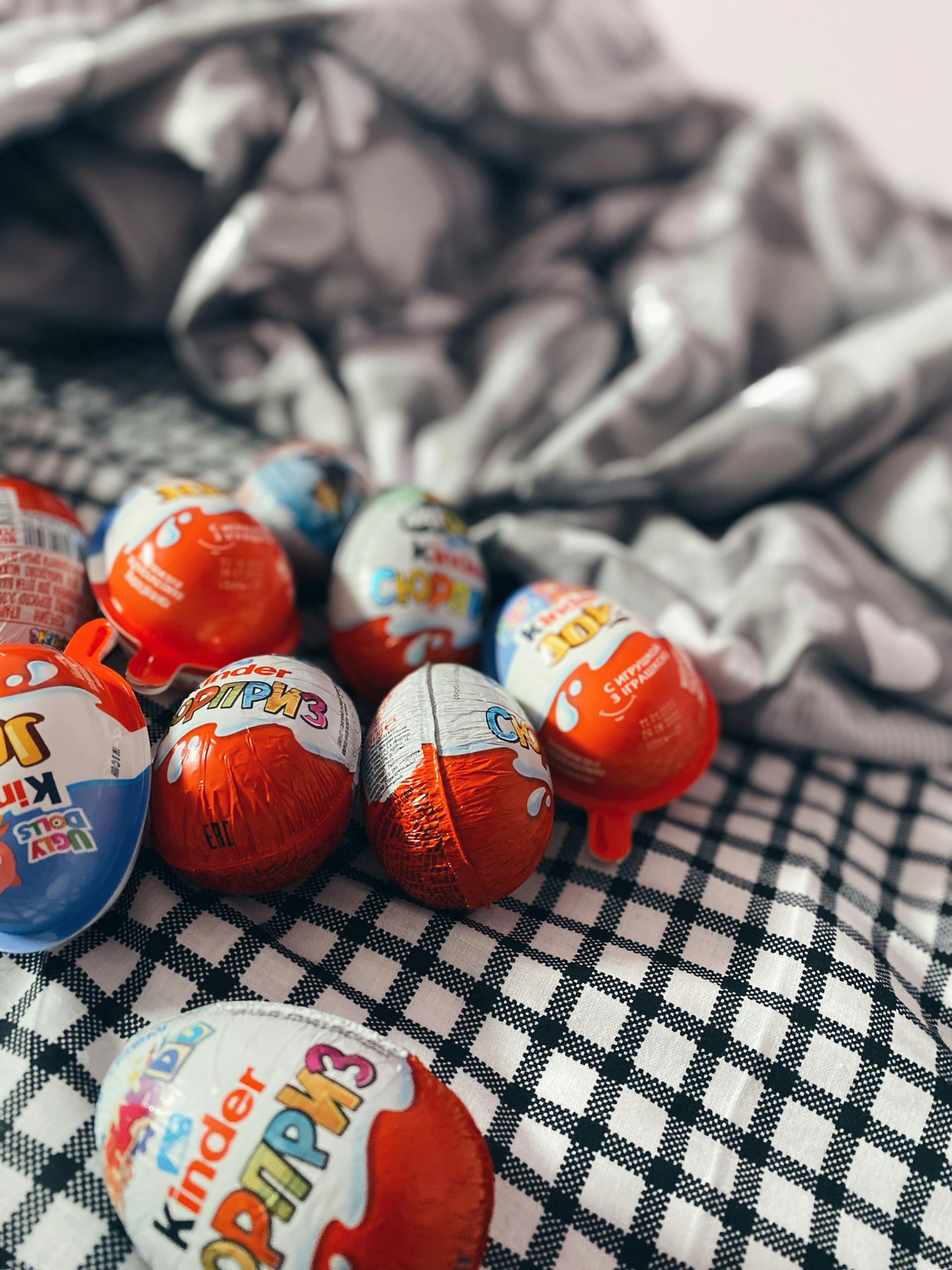
Kinder Surprise Eggs
Kinder Surprise Eggs are a favourite among children (and even adults) across the UK. They feature a milk chocolate hollow egg shape with a container that hides a special small toy inside. There’s just something about the thrill of unwrapping your Kinder Egg that is absolutely spectacular. But, because of strict laws surrounding small parts inside of a food product, not everyone has the opportunity to love Kinder Surprise Eggs as much as the British do.
Marmite
Marmite is a thick and sticky yeast extract spread. It has a very strong, salty taste and has been a staple of British kitchens since 1902. Brits love it spread on toast or crackers and sometimes even in soups or stews. But because of the exceptionally high yeast levels it contains, some countries have to restrict or outlaw it completely.
Why these foods are banned
There are a couple of different reasons why these iconic British foods are completely banned in other countries. Let’s get into the details below.
Sanitary Reasons
With British foods like black pudding and haggis, countries have banned them because of their usage of sheep lung in the item. Black pudding (and blood sausages entirely) is banned in the US because the FDA has deemed it unsanitary to consume blood from an animal. The US Department of agriculture also banned animal lungs in 1971 because of the potential of dangerous contamination from stomach fluids. As for Haggis, you can get lung-free versions, but traditional haggis can’t be imported or sold in the United States.
Unpasteurised Milk
Because of the strict rules surrounding unpasteurised milk, raw milk cheeses remain a delicacy for the UK and not several other countries. Unpasteurised milk has a higher risk of bacterial contamination. The United States and Canada have regulations that it must be aged at least 60 days while Australia and New Zealand heavily restrict, if not fully ban, it completely.
Choking Hazard
Everyone loves Kinder Surprise Eggs but unfortunately, not everyone gets to enjoy them. This is because in the United States, traditional Kinder Surprise Eggs are banned due to them containing non-edible items embedded in the food. There are other versions where the chocolate and surprise are separate but the traditional version is illegal.
Additive Regulations
Marmite typically contains a high amount of additives and in some countries, it can fail import or food additive regulations. In other countries it heavily restricts the sale of it because of the regulations. In Scandinavian countries there are very strict import rules and Marmite is not permitted to be for sale.
What it says about cultural tastes
The fact that foods like black pudding, haggis, raw milk cheeses, Kinder Surprise eggs, and Marmite are adored in Britain but restricted or banned elsewhere shows just how unique cultural tastes can be. What one country treasures as a comforting and classic treat, another may consider strange, risky, or even unsafe. These differences highlight not only contrasting flavour preferences—Brits often celebrate bold, savoury, or unconventional foods—but also varying approaches to food safety, tradition, and culinary experimentation. Ultimately, what’s “normal” to eat is shaped by history, culture, and a nation’s appetite for the unusual.
Quirky clash of food laws
This quirky clash of food laws highlights the very beauty of what it is to be British and any other culture. It’s these unique differences that cement tradition into becoming nostalgic history. So while no one in the US is having a traditional Kinder Surprise Egg, you can bet there are a tonne of kids excited to unwrap theirs in the UK.