How Russia’s War Machine Is Crumbling From Within
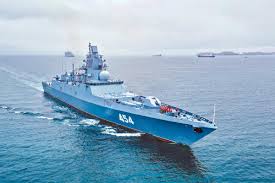
Russia’s once-feared military machine is facing its most severe crisis in decades, according to defence analysts, leaked intelligence assessments and reports from inside the Kremlin. What began as a short, decisive campaign in Ukraine has evolved into a grinding, resource-draining conflict that is exposing the deep structural weaknesses of Vladimir Putin’s armed forces — and raising fresh doubts about Russia’s long-term military capabilities.
A combination of equipment losses, mobilisation failures, leadership turmoil and economic strain has left the Kremlin scrambling to maintain momentum, prompting senior Western officials to describe Russia’s military system as being in a state of “progressive collapse”.
Equipment Worn Down and Running Out
Russia has reportedly lost tens of thousands of vehicles, from tanks and armoured carriers to artillery and drones, many of which the country’s struggling defence industry cannot replace quickly enough. Factories are working around the clock, but shortages of electronics, precision components and specialist metals — much of which relied on Western imports before sanctions — have drastically slowed production.
Intelligence assessments suggest that Russia is increasingly reliant on Soviet-era equipment pulled out of long-term storage. Some vehicles are so degraded that soldiers reportedly refer to them as “museum pieces”, while grainy footage has shown ageing tanks unable to withstand modern weapons.
Morale Crisis Among Troops
Alongside equipment failures, morale among Russian troops is said to be at a historic low. Accounts from the front line describe:
- Exhausted soldiers serving months without rotation
- Shortages of food, medical care and basic supplies
- High casualty rates in poorly planned offensives
- Forced mobilisation of reservists with minimal training
Western analysts say morale issues are so widespread that they are now having a direct impact on battlefield performance, contributing to repeated failures in key offensives.
Leadership Turmoil in the Kremlin
Putin’s inner circle has been shaken by internal disputes, purges and rapid reshuffles within the military hierarchy. Senior commanders have reportedly clashed over strategy, logistics and responsibility for battlefield losses.
Several high-ranking officers have been removed, sidelined or quietly reassigned, creating what insiders describe as “chaos at the top”. The instability has weakened command structures at a time when Russia can least afford it.
Sanctions Squeezing the War Machine
International sanctions are also taking a heavy toll. Russia’s economy has slowed sharply, foreign investment has evaporated, and its ability to access vital military technology remains crippled.
With oil and gas revenues fluctuating, the Kremlin is funnelling a growing portion of its national budget into the war — a move that economists warn is unsustainable. One Western official said Russia is “burning through its war chest faster than it can refill it”.
Dependence on Rogue States
As Russia’s defence industry falters, the Kremlin has increasingly turned to pariah states such as Iran and North Korea for weapons and ammunition. Analysts say this reliance underscores the depth of Moscow’s shortages and damages its claim to being a global military superpower.
North Korean artillery and Iranian drones have been spotted in combat zones, but experts argue that these imports cannot compensate for Russia’s systemic production problems.
A Military Machine Under Strain — But Not Yet Broken
Despite the crisis, experts caution against underestimating Russia. The country still maintains vast manpower reserves, sprawling industrial capacity and a willingness to absorb losses at a scale unimaginable to most Western nations.
However, the long-term trajectory looks increasingly bleak. One defence analyst described Russia’s position as “a war machine surviving on momentum rather than capability”.
What This Means for Putin
For Vladimir Putin, the collapse of key parts of his military system poses a direct challenge to his authority. The Kremlin has invested heavily in projecting an image of strength and inevitability. A faltering war machine undermines that narrative at home and abroad.
Some insiders say frustration within the elite is growing, though open dissent remains unlikely. Yet as losses mount and the economic toll deepens, Putin’s room for manoeuvre is narrowing.
The Road Ahead
Russia now faces a stark choice: escalate further, seek outside help to plug military gaps, or begin planning for negotiations from a position of weakness. None of these options align with Putin’s long-held vision of Russia as a resurgent global power.
What is clear is that the cracks in Russia’s war machine are no longer deniable — and the consequences will reverberate far beyond the battlefield.
- What Is the Best Time of Day to Manifest? A Practical Law of Attraction Guide
- What Should You Not Do When Manifesting? 15 Mistakes to Avoid
- What Should You Not Say When Manifesting? 21 Phrases to Avoid
- What Should I Write When Manifesting? A Practical Guide for Powerful Scripting
- How to Know What to Manifest: A Clear Guide for Aligned Desires