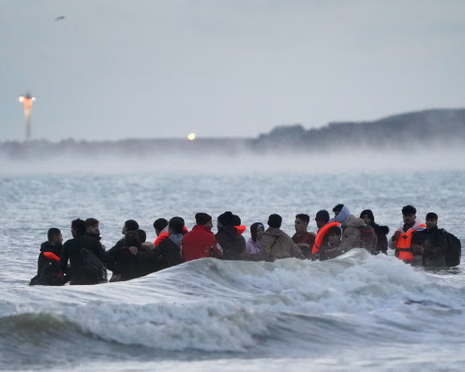
French Coastguards Condemn UK-France Small Boat Interception Plan as “Deadly”
A high-level warning has emerged from France’s coastguard and customs union, which describe a planned UK-France joint effort to intercept migrant small boats in the English Channel as potentially deadly and legally questionable.
The Core Issue
The plan under discussion would allow French patrol boats to stop or redirect migrant inflatables up to 300 metres off the French coastline, ahead of the shoreline where most crossings are launched.
Specifically, the union Solidaires Douanes — which represents customs officers and coastguards — sent a letter warning:
“Such an inhumane, absurd and shameful doctrine risks provoking shipwrecks and deaths, for which the moral and criminal responsibility would rest entirely with the personnel responsible for carrying out the interventions.” (The Guardian)
They argue the new “maritime doctrine” is not only unsafe but also contravenes international maritime and refugee conventions to which France is a signatory.
UK-France Deal Under Strain
The controversy comes just weeks after the two countries agreed the so-called “one in, one out” scheme, under which the UK will return migrants who arrive illegally by small boat and accept a similar number of legal entrants from France in exchange.
But the interception element – the plan to physically stop boats at sea – is now being reviewed by French authorities. The UK Home Office confirmed they were awaiting final clarity on France’s maritime doctrine before deployment.
Why France’s Coastguards Are Concerned
- Humanitarian risk: The coastguard union points to past incidents of small boat tragedy in the Channel, arguing any push-back or interception at sea increases the risk of capsizing, drowning or abandonment at sea.
- Legal exposure: France’s obligations under maritime rescue law (e.g., SOLAS) and refugee conventions mean intercepting vessels may place officers in situations where they must both save lives and enforce border policy — a conflict the union says puts personnel at risk of criminal or civil liability.
- Operational challenge: French officials describe the plan as politically driven, but logistically thin: they caution that patrol resources, legal frameworks and safety protocols are not yet robust enough.
UK Response & Implications
The UK government emphasises that stopping “taxi boats” and people-smugglers is a priority. They see the UK-France pact as a right step towards deterrence. A Home Office spokesperson stressed:
“Small boat crossings are utterly unacceptable … We want to see the earliest possible deployment of these new tactics.” (The Guardian)
However, with French authorities delaying or reviewing the interception plan, the risk is that the deal may stall or fall short of its aims. Analysts say without real implementation evidence, the deterrent effect may be limited.
What to Watch
- Whether France formally approves the maritime doctrine and deploys patrols capable of intercepting boats near its coast.
- Legal or judicial challenges triggered by intercepted or turned-back vessels, especially under EU or international law.
- Whether the delay erodes UK government claims of border control success, especially ahead of electoral or public scrutiny.
- The human cost: if boats are intercepted but not safely returned or rescued, the risk of tragedy – and subsequent diplomatic fallout – rises.
Bottom Line
What might appear as a technical border-security tactic has turned into a flashpoint of humanitarian, legal and operational risk.
The French coastguard’s warning makes clear: when interception means intervening in unpredictable sea conditions with vulnerable people aboard, the margin for error is perilously small.
For Britain and France, the question is not just whether they can stop the boats — but whether they should stop them, and if so, how to do it safely, legally and effectively.