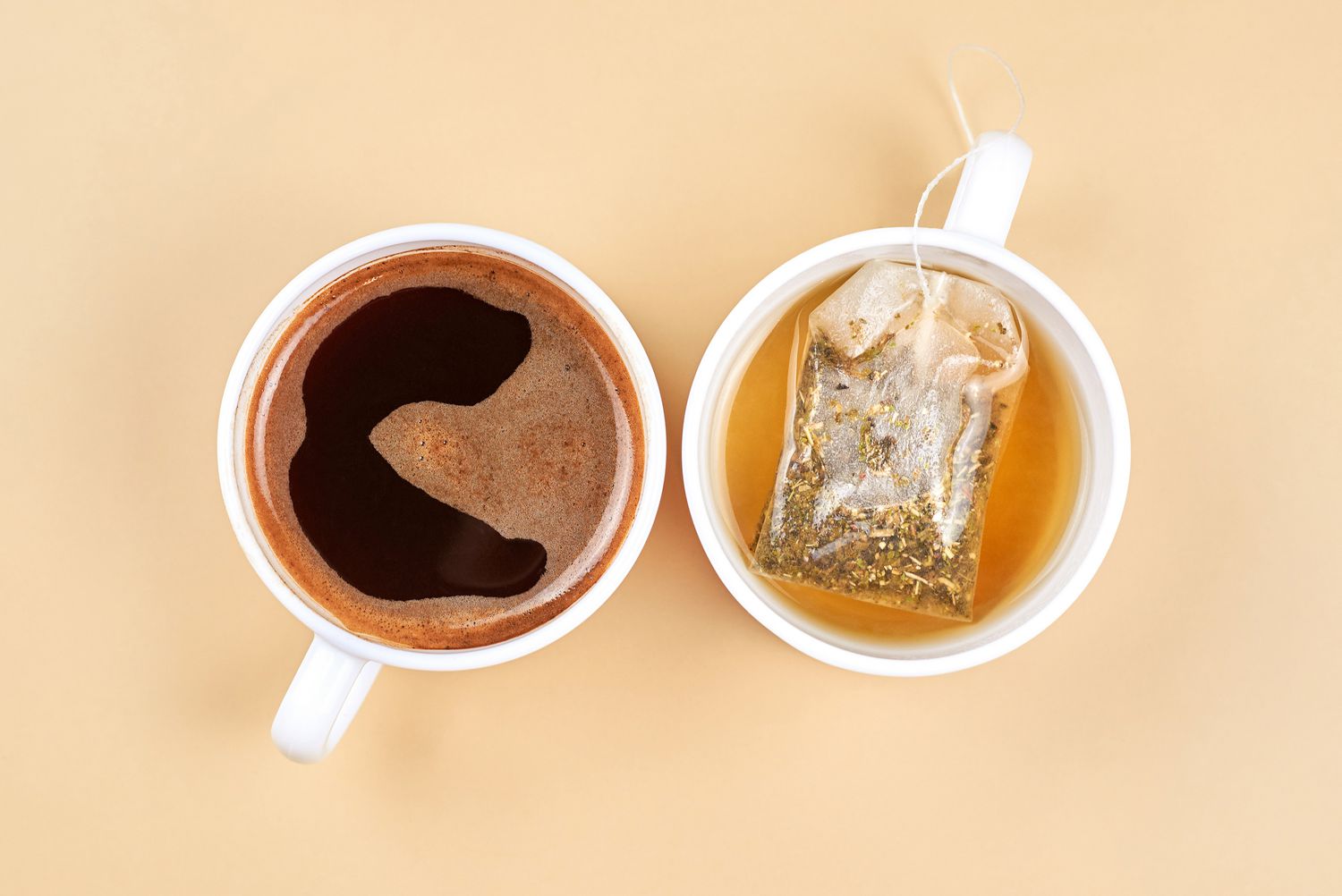
American Coffee vs British Tea: The War No One Asked For
Of all the things Brits and Americans can bicker about, the most heated, long-running debate is over something far more innocent: the nation’s favourite hot drink. Tea or coffee? Comfort or caffeine? Ritual or convenience? Both sides are wildly loyal to their chosen brew, and both are convinced the other is making a bad choice. So, let’s take a look at how each drink became such a cultural cornerstone and why neither side is willing to switch.
How the coffee and tea divide was born
Britain’s love affair with tea goes back to the 1600s, and by the 18th century it had become woven into daily life. The tradition of afternoon tea emerged in 1840, when the 7th Duchess of Bedford turned late-afternoon hunger into a social event involving tea, bread, butter and cake. Around the same time, tax cuts made tea more affordable for the working classes, cementing its place as a national habit rather than a luxury.
Across the Atlantic, the story veers in a very different direction. Tea arrived on US shores via Britain, but the Boston Tea Party of 1773 changed everything. Rejecting British taxation meant rejecting tea itself, and coffee quickly became the patriotic choice. Ever since, America has run on coffee, and while tea has gained a little ground, it still can’t compete with US coffee culture.
Why is tea such a British institution?
Tea in the UK is a ritual. Feeling sad? Tea. Feeling happy? Cup of tea. Mildly inconvenienced? Put the kettle on. When someone visits a British home, the offer of a cuppa is discussed before you even ask how they are, because the ritual matters just as much as the drink. Brits grab their favourite mugs, preferred tea brand, and make sure it’s brewed to the perfect strength. Brits also bond while drinking tea. Conversations slow down and it allows people space to process their thoughts. It’s the cultural equivalent of saying, “Let’s take a moment.”
Coffee is America’s liquid fuel
America, meanwhile, treats coffee like pure functionality. Coffee is there in the car, in the office, on the subway, on the school run, and as part of every meeting. If tea is a gentle nudge, coffee is a full-volume wake-up call. The customisation culture is huge too. Most Americans have a preferred order that contains at least one milk alternative, one flavour, and one instruction involving foam or ice. Plus, unlimited refills in diners mean there’s always another coffee on the horizon.
Tea: Comfort, calm and a few limitations
Tea is often praised as the gentler, more civilised option, and in many ways that’s exactly the point. Its strengths lie in comfort, balance and moderation, but that same subtlety can occasionally work against it.
- A calmer kind of focus. Tea delivers caffeine politely. It nudges you awake rather than yanks you from your chair. The L-theanine in tea helps you stay alert but not bouncing off the walls, so it’s a drink you can enjoy anytime of the day.
- Built-in emotional comfort. Tea is basically a hug in a mug. Feeling stressed, sad, or mildly irritated a sugary tea can calm things down. Offering someone tea is the polite equivalent of saying, “I care enough to slow down with you for five minutes.”
- It won’t rescue you in a crisis. When the world is falling apart, deadlines are looming, and your brain feels fried, tea politely whispers, “Good luck with that,” rather than shouting, “Let’s GO!” Sometimes you need more than a polite nudge.
- Health-wise, it’s gentle but not a miracle. While tea is rich in antioxidants and often praised for being easier on the system, some research suggests coffee edges ahead in certain heart-health metrics. Tea supports long-term balance, but it doesn’t always deliver the same measurable metabolic boost.
Coffee: Energy, efficiency and a few trade-offs
American coffee thrives in fast-paced environments, and its benefits reflect that. It’s effective, adaptable and built for modern schedules, but it also comes with consequences if you lean on it too heavily.
- Fast, noticeable energy. Coffee is an instant, “Wake up, we’ve got things to do!” Perfect for mornings that start before your brain has checked in, or for surviving back-to-back meetings without looking like a zombie.
- Built for modern life. Coffee is designed to travel with you, bend to your tastes, and keep you moving. It’s caffeinated multitasking at its finest.
- The crash is real. Coffee gives you a kick, but sometimes that kick comes with a thud. Mid-afternoon dips or insomnia can cause you to crash and burn.
- Health-wise, it’s powerful but less forgiving. Coffee shows a slightly stronger link to heart health and improved alertness levels, but it can be harsher on digestion and stress levels.
So, which nation wins?
In the end, it’s basically a tie. Tea suits British life because it creates calm, shared space and permission to slow down, while coffee fits American culture because it fuels energy, ambition and momentum. And despite the stereotypes, the lines aren’t that strict. Plenty of Brits rely on coffee to function, just as many Americans happily drink tea, often iced or sweet. Whether you’re offering a cuppa or grabbing a coffee to go, both drinks do the same job in the end: they create a moment to connect, reset, and carry on.