11 Old-School Dinners from Britain’s Working Class
Before there were so many takeaway options, convenient ready-made meals and trendy food fads that everyone seems to hop on board for, there were humble, hearty old-school dinners that fuelled the entire British working class. These meals were created out of necessity and, at times, desperation. They were made up of inexpensive ingredients, pantry staples that most homes would always have, and were meant to be filling to hold you over until the next meal. These old-school dishes tell stories of resilience, tradition and noisy family dinner tables where everyone sits down together to dine while sharing about their days. They’re a refreshingly simple step back in time. Today, we’re diving into 11 old-school dinners from Britain’s working class. Get ready to feel all the nostalgia as we ponder down memory lane.
1. Fish and Chips
Though fish and chips do remain a takeaway favourite in Britain, they were once a staple of the working-class dinner table. Fish and chips was an accessible and affordable meal for people. They were prepared by combining battered white fish with thick-cut chips and often alongside a serving of mushy peas, a splash of malt vinegar and a generous sprinkle of salt. Fish and chips were cheap, hearty and portable. They also offered an irresistible satisfaction, making people feel like they were enjoying a treat!
2. Corned Beef Hash
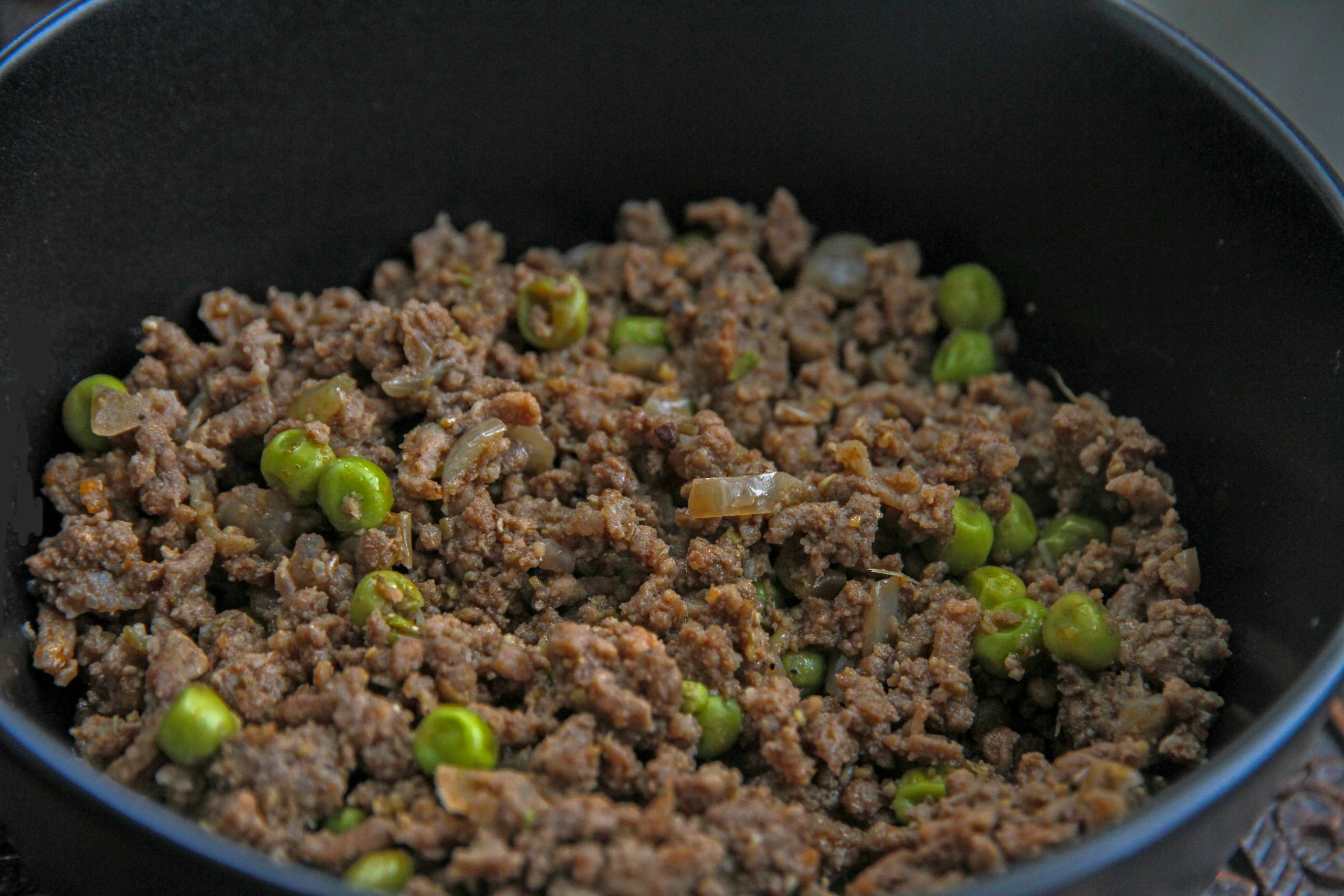
Corned beef hash may not have exactly been a glamorous dish, but it was a dish that efficiently got the job done. It filled people’s bellies and gave them the nutrition and vitamins they needed. Hash is a dish made up of several ingredients all tossed together until perfectly golden and crisp. Corned beef hash was made with tinned corned beef, left-over potatoes and onion. It was a simple, no-fuss meal that offered satisfaction and deliciousness bite after bite.
3. Bubble and Squeak
Bubble and squeak is a traditional English dish that was extremely popular back in the day. It was made by cooking leftover potatoes, cabbage and whatever other vegetables you could find. It was born from Sunday roast leftovers and became a Monday ritual for many families. In fact, it was one of Britain’s most resourceful old-school dinners. Bubble and squeak was comfort food that didn’t need fancy ingredients and offered irresistible crispness and taste.
4. Meat Pudding
Meat pudding may not sound very luxurious but back in the day, it sure felt like it for the British working class. Meat pudding is a savoury dish and a pillar in old-school working-class dinner tables. It was traditionally filled with minced/stewed beef, kidney or offal and encased in a suet crust, served alongside boiled potatoes, greens and thick gravy. It felt like comfort food without the hefty price tag. Meat pudding was the perfect meal after a long day doing manual labour. It was a delightful meal that didn’t cost an enormous amount and satisfied everyone sitting around the table.
5. Scouse
Scouse wasn’t just a meal for the British working class. It was a symbol of Liverpool. It combined cheap cuts of beef, lamb, potatoes, carrots and onions (some people put more vegetables or made blind scouse, which was a meatless version to stretch the budget even further). It was thick and rich and filled your tummy while warming your soul at the same time.
6. Toad in the Hole
Toad in the Hole was once one of Britain’s most beloved old-school dinners. Despite its name giving the illusion that it requires fancy ingredients or special techniques, it’s actually quite simple. Its sausages baked into Yorkshire pudding batter survived hot with onion gravy, mashed potatoes and vegetables. Toad in the hole offered perfect crisp puffy edges with a soft sausage-filled middle. It also allowed families to be fed with limited ingredients needed.
7. Liver and Onions
Typically made with either sliced lamb or calf liver, pan-fried to texture perfection and served with soft and sweet caramelised onions, creamy mashed potatoes, boiled veg and thick gravy, liver and onions was a very popular old-school dinner for the British working class. It was both filling and frugal while also being exceptionally nutritious.
8. Stew and Dumplings
Stew and dumplings was never fancy and doesn’t require any sort of high-end ingredients but it has always been the ultimate British comfort food. It was easy to make a large amount to feed a crowd and the mixed textures of the ingredients created an extremely pleasing experience. Stew and dumplings was dependable, nutritious and hearty, making it a winning choice for the British working class.
9. Sausage Rolls
Sausage rolls have evolved since Britain’s working-class days but they once were the perfect answer. They were a simple, no-frills classic that stretched your meat out and kept your family satisfied and nourished. Sausage rolls featured seasoned sausage meat wrapped up in a flaky pastry. They were great for on the go as well as dinner with potatoes and vegetables usually.
10. Yorkshire Pudding
Yorkshire pudding is a pillar of British food culture. It’s light, airy and satisfyingly golden on the outside and inviting, soft and doughy on the inside. Yorkshire pudding was born out of a true necessity of needing to feed families without spending a tremendous amount of money. Using flour, eggs and milk, people were able to stretch their meat further while still offering a hearty, delicious meal.
11. Steak and Kidney Pudding
Steak and kidney pudding was a beloved old-school dinner from Britain’s working class. It was rich and savoury. Steak and kidney pudding featured slow-cooked beef steak and ox or lamb kidney simmered in thick, meaty gravy and hugged snugly by a soft suet pastry.
The Takeaway
These old-school British dinners weren’t just meals. They were lifelines. They were born from necessity, resilience and creativity to become hearty, healthy and satisfying meals. They remind us that great food doesn’t need to be fancy and that sometimes, simple is far better.