WW3 Fears Surge After NATO Country Scrambles Fighters Following Russian Warning
Tension shot up across Europe when a NATO nation was forced to scramble its fighter jets mere hours after a direct warning from Vladimir Putin about escalating conflict. With echoes of Cold War-style brinkmanship, the incident has reignited fears of a wider war that many hoped had been consigned to history.
What Happened
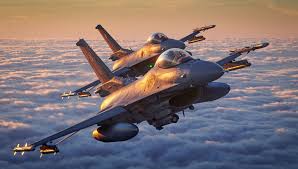
According to official statements and open-source tracking, the incident unfolded when warplanes from a NATO member were ordered into air defence alert after receiving reports of hostile or un-identified aircraft approaching the country’s airspace. The scramble came just hours after Putin issued a warning implying that his country was prepared to take stronger military steps if Western support for Ukraine continued.
Analysts say the timing of the alert and the warning suggests Moscow is testing NATO’s air-defence readiness and political resolve — and that NATO, for its part, is signalling it takes any intrusion seriously. Even though no shots were fired, the event is being treated as a major escalation in the battle of deterrence.
Why It Matters
1. Article 5 Risk
Under the NATO treaty, an armed attack on one member is considered an attack on all. A border incursion or airspace violation near a member country stops being a local issue when the alliance is involved — and suddenly becomes a collective problem.
2. Escalation Ladder
Military analysts talk about “escalation ladders” — small acts of provocation that, if unchecked, lead to larger confrontations. This incident feels especially concerning because it sits just one rung above the familiar theatre of the Ukraine war. When a NATO country becomes the target, the consequences change dramatically.
3. Signal of Vulnerability
Even if the fighter scramble didn’t result in combat, the fact that it happened shows how vulnerable Europe’s defences are to surprise and hybrid tactics. Whether we’re talking about stealthy drones, cyber-attacks or rapid aerial incursions, modern conflict isn’t always about large armies anymore — and NATO is still adapting.
What Comes Next
- Heightened readiness across NATO: Allied countries may increase air patrols, heighten alert status and share intelligence more rapidly following the incident.
- Political and diplomatic pressure: Expect the incident to be raised at NATO and UN forums, with demands for transparency and possibly additional sanctions or military aid.
- Risk of miscalculation: The greatest danger is not a planned invasion, but an unintended clash — a misjudged interception, a downed aircraft, a retaliatory strike. These are the fault lines experts fear the most.
Should We Fear a WW3-Type Scenario?
While headlines invoking “WW3” are alarming — and the risk is very real — many experts caution against viewing this as an immediate global war. Instead, it’s best understood as a sharp reminder that the mechanisms of deterrence and alliance defence are being actively challenged.
What we’re watching now is a scrabble: for advantage, for signalling, for dominance. It may not be a full-scale war yet — but the conditions are shifting toward higher danger and less cushion for error.
Final Thought
A single jet scramble might seem like a minor incident in the grand scheme of things — but in today’s interconnected and highly volatile security environment, minor incidents can trigger major consequences. NATO’s readiness, Russia’s ambitions, European vulnerabilities and global attention are all intersecting in a moment of extreme risk.
We may not be at war yet — but we are undeniably closer than at many points during the past decade. And that makes this episode far more significant than it appears on first glance.