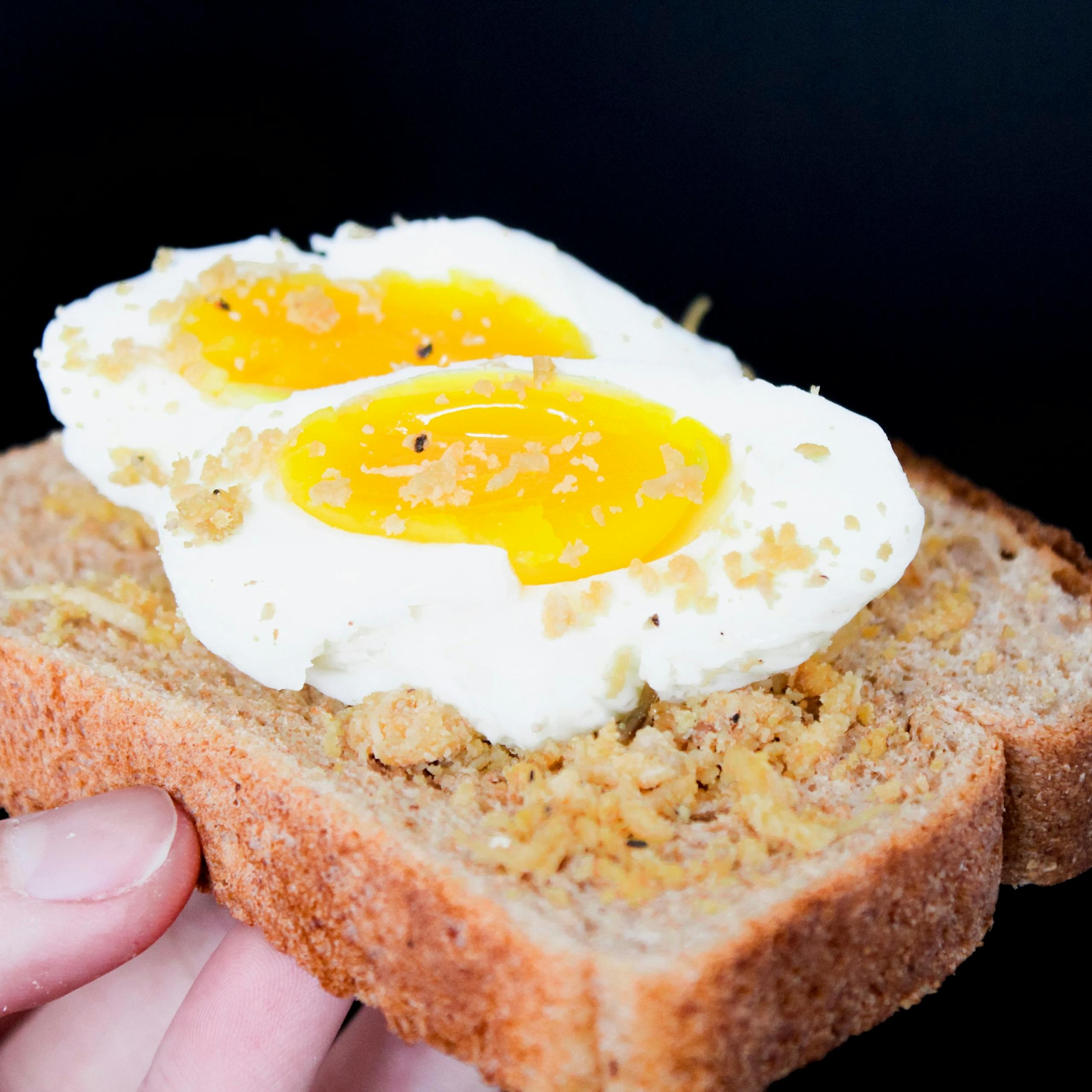
Warning: Don’t Cook Eggs Straight from the Fridge — The 30-Minute Rule You Need to Know
For Brits, eggs aren’t just food—they’re tradition. From fry-ups to a bunch of desserts, they’ve been cracking into our meals for centuries.
Only in Britain could eggs spark a full-blown domestic debate — half the nation defends the fridge, the other half calls it culinary blasphemy.
One contributor to The Guardian wrote, “My microbiology lecturer at university was quite anti-egg refrigeration.
He warned that tossing a fridge-cold egg straight into the pan might seem fine, but the yolk would only be “blood warm” — not exactly reassuring when salmonella was still lurking around in those days.
As one Redditor put it, “I don’t know about whether they degenerate quicker in the fridge, but it does make them more difficult to cook.
“A three-minute egg, for example, is cooked for three minutes, provided that the egg starts at room temperature. If it has been kept in the fridge, a three-minute egg would turn out to be far too runny.”
So, what’s the real deal—do eggs actually belong in the fridge or not?
Unlike in the US, Britain’s got this one covered — quite literally. Hens here are vaccinated against salmonella, and that British Lion mark on your egg isn’t just for show; it means your breakfast came from a disease-free hen.
This makes UK eggs much safer to eat — even soft-boiled or lightly cooked ones. It also means they can be safely stored at room temperature (below 20°C), which is why you’ll find them on supermarket shelves rather than in the fridge section.
Experts, however, now advise keeping eggs refrigerated at home to maintain freshness, taking them out around half an hour before cooking to reach room temperature.
According to the Lion Mark guide, “Store eggs at a constant temperature below 20°C – this maintains freshness and quality. The fridge is the best place to keep them in domestic kitchens.
“Take them out of the fridge half an hour before cooking for the best results; otherwise, the sudden change in temperature could crack the shell or lower its binding qualities in baking.
“People who are in good health (i.e., who are not vulnerable to infection) are unlikely to experience food poisoning through consuming UK hen eggs and therefore can eat raw or soft-boiled UK hen eggs or foods containing lightly cooked UK hen eggs.”
So, the general rule? Keep your eggs in the fridge (maybe in an egg tray), then take them out about 30 minutes before cooking — this stops any drama caused by sudden temperature changes.
The great egg debate: fridge or shelf?
Egg Storage Made Simple:
- Keep eggs in a cool, dry place — ideally the fridge in a dedicated egg tray.
- Store them away from strong-smelling foods and raw meat.
- Check the best-before date and handle with clean hands.
- Take eggs out of the fridge 30 minutes before cooking to avoid cracking or affecting baking.
- Eat egg dishes immediately, or cool quickly and refrigerate, consuming within 2 days.