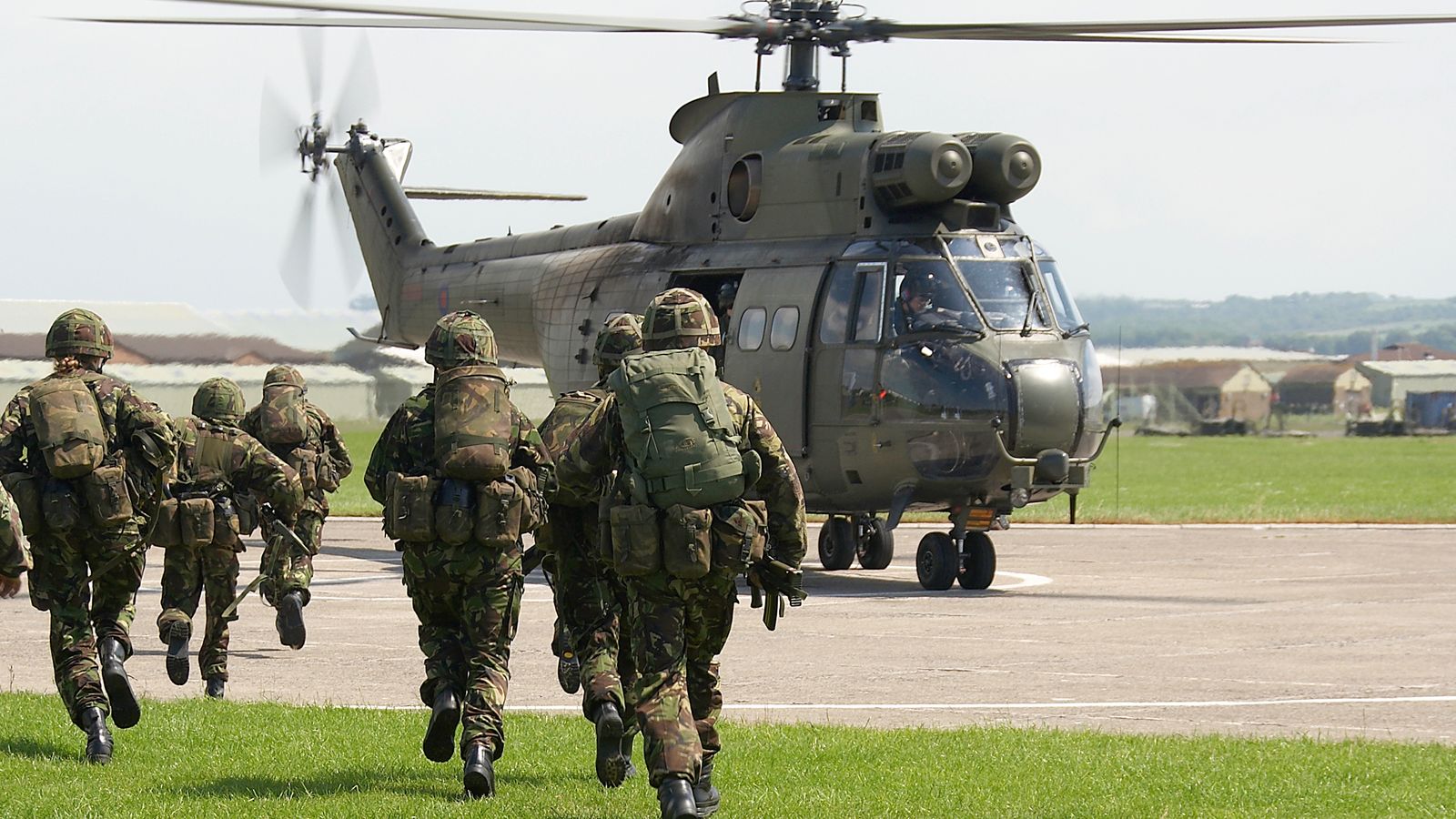
UK Military Unprepared for War, But Putin is Ready
As tensions between Russia and the West continue to escalate, warnings from defence experts are growing louder: the United Kingdom may be dangerously under-prepared should conflict erupt. Recent analysis paints a worrying picture of “hollowed-out” armed forces, stretched fleets, and insufficient readiness — just as geopolitical pressures from Moscow intensify.
Why the alarm bells are ringing
A growing chorus of former senior military figures and analysts argue that decades of defence cuts, reductions in troop numbers, and shrinking resources have left the UK far less capable of confronting the kind of high-intensity conflict now being hinted at by Russia. (The Independent)
According to critics, the British Army has been significantly reduced in size and capabilities; some warn it is now too “remarkably hollow” to withstand the kind of drone, missile or hybrid warfare that has become Russia’s modus operandi in its campaign in Ukraine and beyond. (The Independent)
Meanwhile, the UK’s air defence, naval assets, and munitions reserves have also drawn scrutiny — with concerns over the ability to sustain operations, protect critical infrastructure, or respond to sudden escalations. (Sky News)
Adding to the concern is what some describe as the collapse of long-standing strategic wartime preparations. The UK reportedly lacks comprehensive, up-to-date plans to mobilise industry, civilian infrastructure, and national defence in the event of a major war — a system once maintained during the Cold War. (Sky News)
Growing threats revive old fears
The warning comes at a time of heightened alert. Moscow’s actions in Ukraine and its broader posture toward NATO allies have triggered renewed concerns that Europe — and by extension the UK — could face direct threats if conflict spreads. (The Guardian)
In response, the UK government has begun to emphasise national security more seriously. The recently published National Security Strategy 2025 outlines a commitment to bolster defence spending, invest in homeland resilience, and adapt to a changing threat landscape that includes cyber warfare, supply-chain disruption, and potential missile or drone attacks. (GOV.UK)
Under the strategy, defence budgets are set to increase, and the UK aims to modernise its armed forces — including investment in munitions, long-range weapons, and strengthening partnerships within NATO. (Wikipedia)
But critics say change may be too little, too late
Even with these reforms, many experts remain sceptical. They argue that rebuilding an effective defence posture — one capable of deterring or countering modern threats — will take years, and in some cases require structural change far deeper than simply increasing budgets. (Financial Times)
Concerns include not only the size and equipment of the armed forces, but also the lack of strategic preparation among civilians, limited national resilience planning, and gaps in critical defence infrastructure. For some, the contrast with the well-planned Cold War era — when the UK maintained detailed mobilisation plans — is stark. (Sky News)
For example, many local and regional government bodies now lack robust plans for civil defence, continuity of supply, or emergency response in the event of sustained conflict or attacks on infrastructure. (Sky News)
What’s at stake — and what must change
The alarm over Britain’s posture is not just theoretical. Critics warn that the next few years could prove critical — not just for military readiness, but for national survival, civil stability, and public safety.
If the UK fails to modernise fully:
- Its ability to defend its territory or contribute meaningfully to NATO operations may remain limited.
- The risk to critical infrastructure — from electricity grids to communications cables — could grow, especially if adversaries target those vulnerabilities.
- The lag in preparedness could put civilians at serious risk in the event of conflict, particularly if supply chains, emergency services and national defence are unready for wartime conditions.
Conclusion — a warning call for a Britain reawakening to real threats
With global tensions rising and Russia’s military posture increasingly assertive, the warning that the UK is under-prepared is more than alarmist rhetoric — it may be a sober reality check. The gap between what was once a well-financed, ready-to-mobilise defence system and today’s stretched capabilities is substantial.
The steps taken under the National Security Strategy 2025 represent a start — but many warn that without a long-term, systematic rebuild of military capacity, civil resilience, and strategic planning, the UK could find itself dangerously outmatched if conflict erupts.
For politicians, military leaders and the public alike, the message is clear: if Britain wishes to deter threats and safeguard its future, it must act swiftly — and with resolve — to reverse decades of decline in defence capability and strategic readiness.
- Can You Manifest the Same Thing Twice? How to Align Without Doubt
- Can You Cancel a Manifestation? How to Redirect Your Energy with Confidence
- Can You Change Your Manifestation? How to Redirect Your Desire with Confidence
- Do You Have to Forget About Your Manifestation? The Truth About Letting Go
- Do You Have to Believe in Manifestation for It to Work?