The Ultimate List of Non-Perishable Foods You Need In Case Of Emergency
When an emergency strikes, having a stash of non-perishable foods can be the difference between life and death. Emergencies like hurricanes, earthquakes, wildfires, power outages and quarantine situations all require non-perishable foods and building up your stash can make a serious difference in how you make it through. Shelf-stable must-haves offer peace of mind and provide fuel and nourishment when fresh food isn’t an option. Non-perishable foods are foods that last a long time before they expire and are easy to prepare. So if you’re restocking your bunker or just want to fine-tune what you need for your emergency foods, we’re revealing the ultimate list of non-perishable foods you need in case of emergency.
Types of Non-Perishable Foods You Need for Emergencies
- Canned Goods
- Dry Goods and Grains
- Pantry Staples
- Snacks and Protein
- Comfort and Energy Foods
- Breads and Substitutes
- Drinks
- Extra
With a combination of these non-perishable foods, you’ll be more than ready for any emergency that steers your way. Don’t know the specifics of each type of non-perishable food? Don’t worry! We’re sharing more details below.
Canned Goods
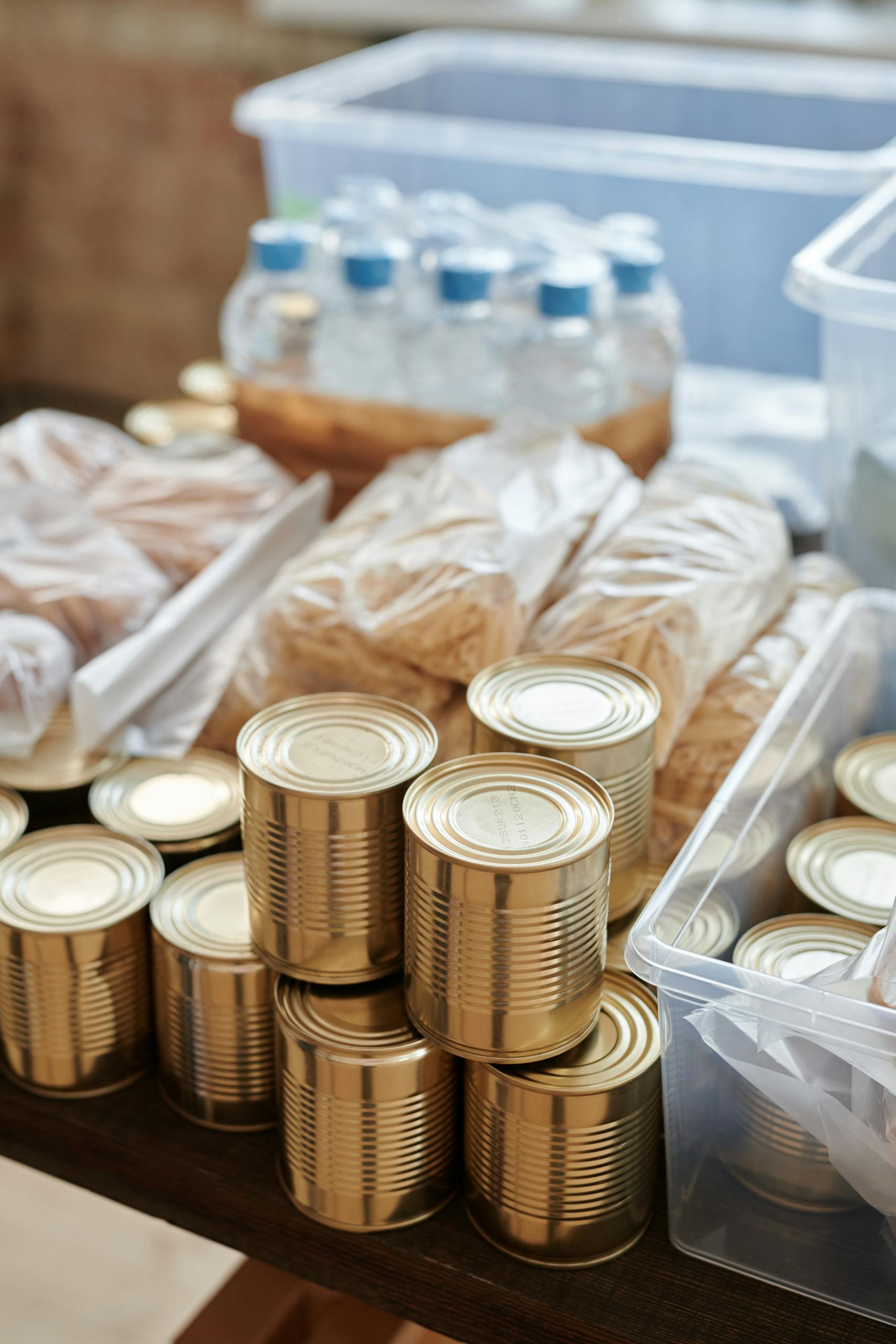
Canned goods are foods that are sealed properly in a can. They have an extremely long shelf life, sometimes as long as several years. They also won’t spoil as long as the can isn’t dented or damaged. They’re typically very easy to prepare and contain some nutritional value. Below you’ll find some examples of canned goods to include in your survival kit.
- Canned beans (black, kidney, pinto, lima, etc.)
- Canned vegetables
- Canned fruits
- Canned meats
- Canned soups and stews
- Canned chilli
Dry Goods and Grains
Dry goods and grains tend to be nutrient dense and have an extremely long shelf life. There is minimal risk of spoilage and they’re easy to prepare. These types of foods are a great source of energy, protein, carbohydrates and more. Make sure to have a selection of these when you’re preparing your survival emergency kit.
- White rice
- Instant oatmeal
- Pasta
- Lentils
- Instant mashed potatoes
- Quinoa
Pantry Staples
Pantry staples are a must when you’re preparing non-perishable foods in case of an emergency. While they may seem slight and unimportant, they’re actually the complete opposite. They will be helpful in keeping the food tasting great and with a good texture. You don’t want to skip these!
- Salt and Pepper
- Sugar
- Baking soda and powder
- Honey
- Peanut butter (other nut butters are good too!)
- Shelf-stable milk
- Cooking oil
Snacks and Protein
Snacks and protein are important to remember when you’re packing your non-perishable foods in case of emergencies. They offer a quick energy boost and help prevent energy dips. They’re easy to grab and super portable.
- Trail mix
- Granola bars
- Beef jerky
- Meat sticks
- Nuts and seeds
- Crackers
Comfort Foods
Comfort foods are more important than you might think in the case of an emergency situation. They help to reduce stress and offer a sense of joy and well-being. They’re a familiarity that, in a time of crisis, will likely be welcomed.
- Chocolate
- Candy
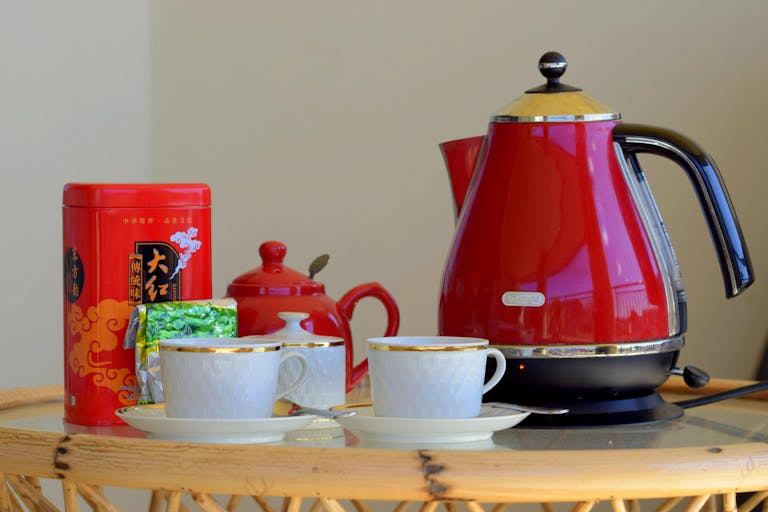
- Instant coffee/tea bags
Breads and Substitutes
Shelf-stable breads and substitutes are a versatile option and a great source of energy. They offer nutritional value and a wholesome, homey feel.
- Shelf-stable tortillas
- Crackers
- Biscuits
Drinks
In the event of actually needing your non-perishable foods, it’s likely that remaining hydrated will be important. Hydration is essential for bodily functions. Packing liquids in your non-perishable emergency foods can make the difference between life and death. You can go a lot longer without food than you can without drinks.
- Boxed juice
- Sports drinks
- Bottled water
- Powdered drink mixes
Extras
Once you have your non-perishable foods packed, there are some “extra” things that could make challenging situations a bit easier. Make sure to pack some of these in with your non-perishable foods as well. They’ll make things more comfortable and easier and help you cope better during a difficult time.
- Manual can opener – you’ll need this for all the canned goods you packed.
- Utensils – can be plastic or reusable, but they’ll come in handy when you’re trying to eat.
- Plates and Bowls – plastic or reusable.
- Paper towels – very handy for cleaning up cooking spills or any messes. Can be used for personal hygiene routines as well.
- Aluminium foil – perfect for cooking or keeping food warm.
- Ziplock bags – ideal for storing things in.
Water & Sanitation
Water and sanitation items should be in your non-perishable food kit as well. While you might think they’re not as important as the food part, they’re actually even more important. You can survive a few weeks without food but only a few days without hydration. These items listed below support immediate survival and in preventing illness.
- Bottled water – 1 gallon per person per day
- Water purification tablets – help to ensure you’ll have clean drinking water despite the environment or crisis situation.
- Baby wipes – helpful with keeping clean and cleaning surfaces.
- Hand sanitiser
- Garbage bags and ties – good for waste and garbage.
- Toilet Paper
- Feminine hygiene products – you never know when Aunt Flo will visit.
Bonus Points If You Add These Items
In your emergency survival kit of non-perishable foods, there are a few other items you could add in just to make sure you have them and don’t forget about them. These items will make your time more comfortable.
- Battery-powered/crank flashlight
- Extra batteries
- Radio
- Swiss army knife or multi-tool
- Duct tape
- Waterproof matches or lighter
- First aid kit
- Emergency blankets
- Glow sticks or candles
Final Thoughts
Preparing for the worst-case scenario isn’t fun but it’s sometimes necessary. Making sure you have these survival staples can be the difference between life and death. Having some of the extra items packed alongside the staples can make your time a lot more comfortable. It’s absolutely imperative that you have clean drinking water and sanitation supplies to ensure a lower risk of disease and proper hydration. Packing these things might seem excessive but they can literally save your life and make your time much easier to handle. What is in your non-perishable food emergency kit?