Kremlin’s “Super-Weapon” Claims Ridiculed from Within — Russian Expert Calls It a Fraud
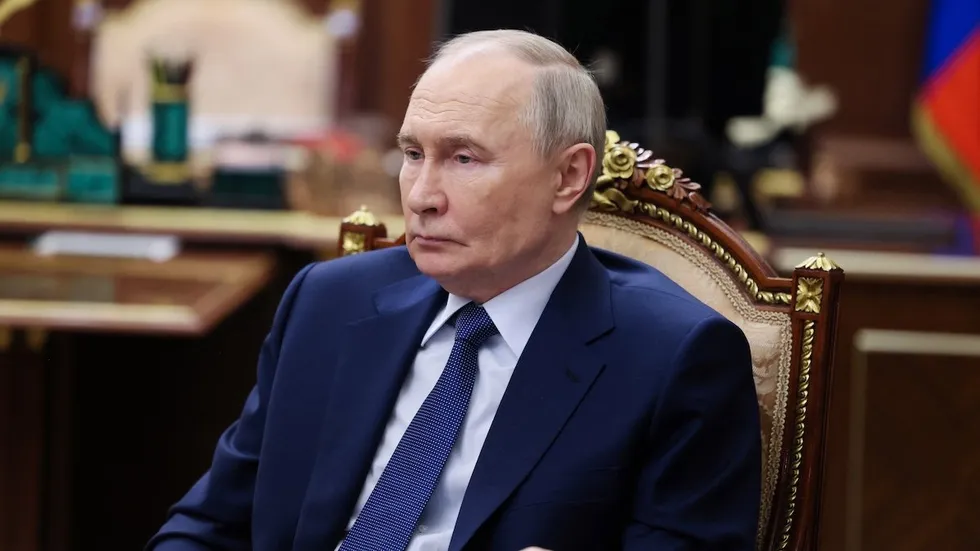
A leading Russian defence analyst has publicly ridiculed the Kremlin’s claims about a new “super-nuclear” weapon, calling the entire narrative a “grand-scale fraud.” The critique marks one of the strongest insider condemnations of Moscow’s recent military-nuclear propaganda — and potentially undermines the fearsome image the Russian leadership has long tried to project. (The Sun)
According to the report, the alleged weapon — referred to as “Oreshnik missile system” in Russian state media — has been portrayed as capable of devastating strikes, even being described by pro-Kremlin outlets as a tool that could turn cities, or even entire countries, “to dust.” (The Sun)
However, insiders told media that very few Oreshnik systems exist (if any), and that the technical capability to produce them at scale simply does not exist due to systemic industrial and logistical problems. The missile’s unveiling, they said, was less about military strength and more a meticulously crafted public-relations spectacle — intended to intimidate adversaries and shore up domestic support. (The Sun)
From Propaganda to Exposure — What the Expert Claims and Why It Matters
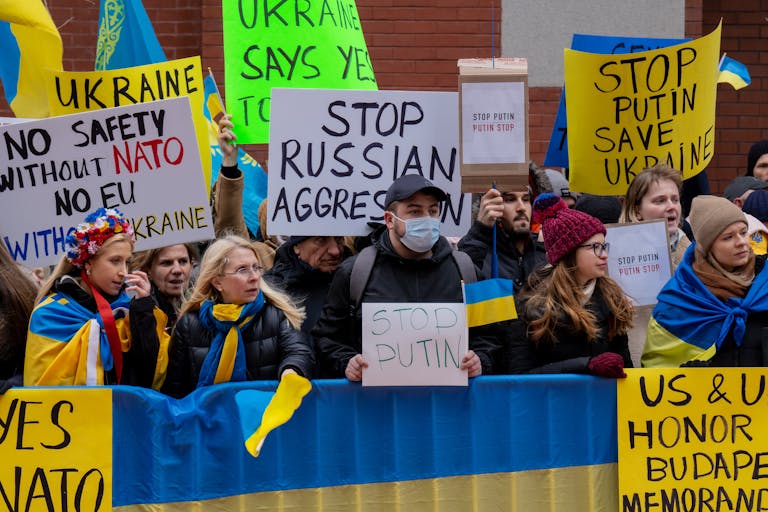
For years, the Kremlin has leveraged its nuclear arsenal and periodic references to “super-weapons” as a means of strategic intimidation, particularly toward NATO and Western powers. The recent promotion of the Oreshnik system appeared to be a continuation of that strategy — a showpiece to signal strength amid setbacks on Ukraine’s battlefields and rising domestic pressures.
But now, with a Russian defence-industry insider publicly dismissing the Oreshnik as a stunt, the narrative of Russian invincibility faces fresh scrutiny. If the “super-weapon” was never operational or mass-produced, then its value was not military — it was psychological. The denunciation suggests:
- Russia may lack the industrial capacity and supply-chain resilience to develop cutting-edge weapons at the rate the Kremlin claims.
- The leadership may be resorting increasingly to military-propaganda to compensate for battlefield failures or economic strain.
- International audiences — particularly in the West — must reassess how much credibility to afford Kremlin disarmament threats that are possibly hollow.
For critics of the war, this exposes one more layer of deception. A weapon that “exists on paper” but not in stockpiles cannot deter adversaries or alter strategic realities. Instead, it becomes a propaganda tool — and if exposed as empty, it damages the trustworthiness of all future threats.
Implications for the War — Credibility Crisis and Strategic Reassessment
The revelation that such a major announced weapon is likely bogus could have ripple effects for Russia’s military and political posture.
For opponents of Moscow — particularly in Ukraine and NATO countries — it offers psychological relief. The perceived nuclear threat may have been overstated, reducing fear of extreme escalation. It may also influence Western strategic planning, helping recalibrate assumptions about what Russia can realistically deliver.
Within Russia, too, the admission of over-blown weapons claims could erode public trust. As war fatigue mounts, economic hardship deepens, and battlefield setbacks continue, reliance on propaganda rather than results may feed disillusionment among citizens and even the military. For the Kremlin, that carries risks of internal dissent, morale breakdown, and long-term reputational damage.
Broader Significance — The Weaponisation of Bluster and the Value of Transparency
The Oreshnik affair is a stark reminder of how modern authoritarian regimes may weaponise misinformation and fear. In times of crisis, loud proclamations of power can substitute for real capability — but only until someone inside calls the bluff.
As global tensions remain high and the threat of nuclear escalation lingers, independent verification and rigorous defence analysis matter more than ever. This episode may serve as a cautionary tale: when leaders rely on spectacle rather than substance, they risk being exposed — and losing influence, credibility, and legitimacy.
Ultimately, the story underlines a key truth: in war, perception can be as important as firepower. But if perception is built on illusions, it is fragile — and once broken, it offers little cover from reality.
- Can You Cancel a Manifestation? How to Redirect Your Energy with Confidence
- Can You Change Your Manifestation? How to Redirect Your Desire with Confidence
- Do You Have to Forget About Your Manifestation? The Truth About Letting Go
- Do You Have to Believe in Manifestation for It to Work?
- Do You Have to Say Manifestations Out Loud? A Friendly Guide to Speaking, Thinking, and Feeling Your Desires