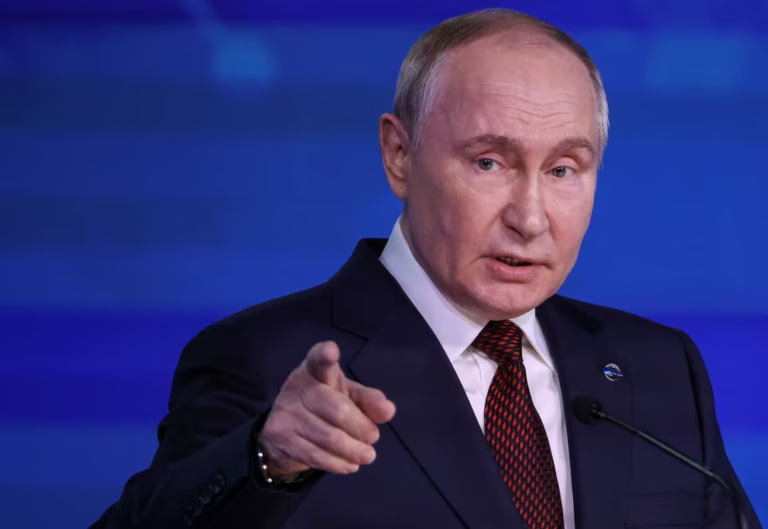
Intelligence Warning: Putin “Not Ready” for Peace — Russia’s Rearming Instead
A former top-level British intelligence official has warned that recent classified intelligence indicates Putin is not seeking resolution, but rather preparing for renewed large-scale war. Analysts at the Institute for the Study of War (ISW) echo this judgement, arguing that Moscow’s public engagement with peace proposals is a smokescreen — while behind the scenes, Russia is stepping up its rearmament and soft-power preparations.
According to ISW’s recent assessment (Nov 21 2025), Russia “continues to signal that its conditions for ending the war in Ukraine remain unchanged and that it is not prepared to make the concessions outlined in the US-backed peace plan.” Meanwhile, statements from top Kremlin officials reaffirm that the objective remains the seizure and consolidation of occupied territories, not a negotiated settlement.
Rearmament and Capacity-Building: Russia Eyes Long Game
While Russian leaders publicly engage diplomatic channels and peace-plan discussions — including proposals recently advanced by the United States — intelligence and open-source data point to expanded Russian efforts to rebuild and strengthen its military capacity.
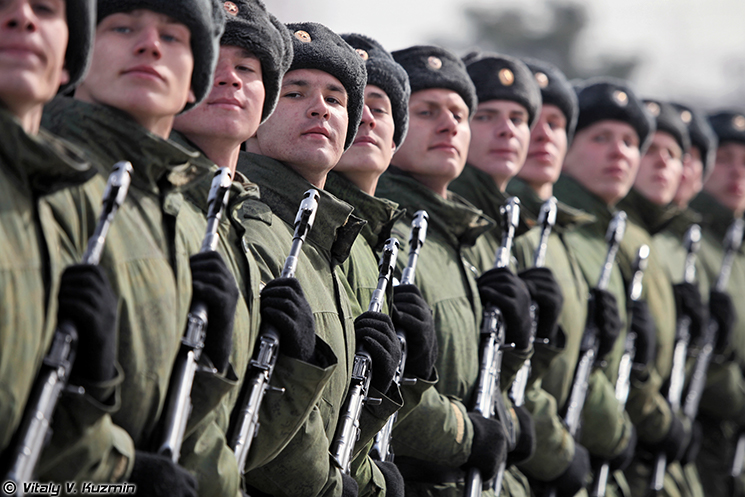
At a recent defence conference in Vilnius, analysts observed that Russia is actively working to restore high-end capabilities — including plans to substantially increase production of main-battle tanks by 2028. The implication: even if the war momentarily subsides, Russia intends to remain capable of launching future large-scale operations, whether in Ukraine or elsewhere.
That aligns with warnings from defence-policy experts that future Russian aggression may not mimic the 2022 invasion — but could come in a different form: hybrid warfare, periodic strike operations, or renewed conventional offensives once rearmament is complete.
Why a Peace Deal Seems Unlikely — and Risky
According to intelligence sources and expert analysis:
- Russia’s “red-lines” remain unchanged. Even after receiving the latest US-proposed 28-point peace plan, Moscow has rejected key elements — including any permanent security guarantees for Ukraine, limits on its own forces, or acceptance of Western-style peacekeeping presence.
- Military advantage and strategic leverage. Kremlin and military leadership believe that they retain enough manpower, weapons, and industrial capacity — or will soon do — to continue operations if negotiations fail, giving them incentives to stall or reject peace.
- “Peace as a pause, not a resolution.” According to ISW commentary, Russia appears to treat any cease-fire or lull not as an endpoint, but as a tactical pause — a chance to regroup, rearm, and return later with renewed strength under more favorable conditions.
In short, many observers argue that Moscow is playing for time — not a negotiated peace — and aiming to emerge from any truce better positioned for future escalation.
What This Means for Ukraine, NATO and Europe
If this assessment is correct, the implications are stark:
- Perpetual war risk: Peace negotiations may offer only temporary respite. Without a deal that includes irreversible penalties for aggression and robust enforcement mechanisms, Ukraine (and the West) may face renewed hostilities once Russia regroup.
- Need for Western vigilance: Europe and NATO cannot afford to lower their guard. The warnings underscore the importance of strengthening deterrence: modern air defence, intelligence capabilities, logistics readiness, and support for Ukraine should remain a priority.
- Long-term strategic planning: Policymakers must treat the war not as a short-term emergency, but as part of an extended conflict. Reconstruction, defence cooperation, supply lines, and alliance cohesion will need sustained backing — possibly for years.
What Comes Next — Key Signals to Watch
In the coming weeks and months, several developments will help confirm whether Russia’s posture remains aggressive:
- Military production data or leaks indicating expansion of tank, artillery, or missile manufacturing.
- Movement or deployment of Russian forces to border regions or within occupation zones.
- Intelligence leak or whistle-blower reports confirming directives from Moscow to plan new offensives.
- Failure of peace negotiations resulting in renewed Russian strikes or hybrid attacks on Ukraine or allied states.
For now, intelligence and expert analysis converge on the same conclusion: behind diplomatic posturing, Russia appears to be preparing — patiently — for what may come next.
- What Should I Write When Manifesting? A Practical Guide for Powerful Scripting
- How to Know What to Manifest: A Clear Guide for Aligned Desires
- How to Manifest When You Have Anxiety: A Gentle Law of Attraction Guide
- How to Manifest When You Feel Negative: A Gentle Law of Attraction Guide
- How to Manifest When You Have Doubts: A Practical Guide to Trusting the Process