9 “British” Things That Didn’t Actually Come From Britain
When you think of British culture, there are usually certain things that instantly spring to mind. There are things that are deeply rooted in British culture; we just assume that that’s where they originated from. But what if we told you that some of the most iconic British things and traditions didn’t actually originate in Britain after all? Over time, the world has blurred the lines between what is truly British and what’s been adopted. Today we’re busting myths, uncovering the true origins behind things that people often assume are British but aren’t. Get ready to be surprised!
1. Tea
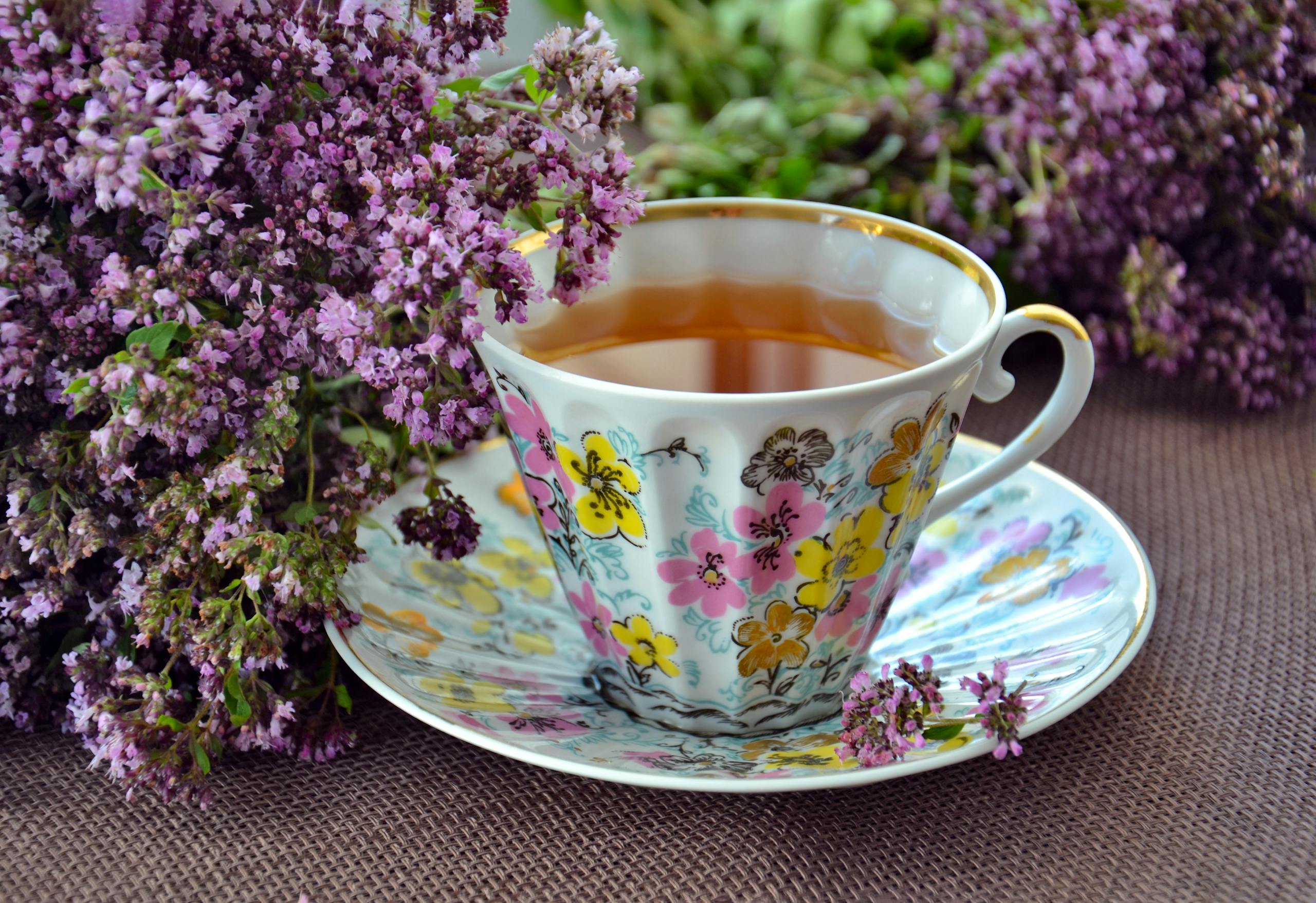
The beating heart of British culture is tea. From royal garden parties to cosy afternoons escaping the rain, tea is a massive part of every Brit’s life. But what may surprise you is that its origins lie far from Britain. Tea was first cultivated and consumed in China many thousands of years ago. It made its way to Britain in the 17th century through trade with the East. It’s so deeply a part of British tradition and routine that it’s easy to forget that it was actually imported. It started as something originally expensive and only for the elite. Now it’s enjoyed by the vast majority of the public and is extremely important in British culture.
2. Cricket
The sport of cricket is a beloved British pastime. Cricket is a famous bat-and-ball sport played by two teams of eleven players. One team bats while the other team tries to get them out. While it is an iconic British sport, its true origins may not be British after all. While the sport was popularised in England, historical records suggest that similar bat and ball games were played in Europe centuries earlier. So while Britain may not be the birthplace of said sport, it’s definitely shaped cricket into the global sport it is today.
3. Marmalade
Marmalade is quite popular, in large part thanks to Paddington Bear, who happens to adore it. It’s become a British staple. But the earliest form of it dates back to ancient Greece. The word marmalade comes from the Portuguese word “marmeleda”, a quince paste imported to Britain. This is what marmalade was known by for ages. The British adapted it using oranges. So while it might seem British, it’s actually not.
4. English Bulldog
Despite its name, the English bulldog didn’t originate in Britain. Though it’s an undeniably iconic symbol of Britain often seen as a national mascot representing toughness and resilience, its roots aren’t British at all. Bulldogs descended from mastiff-type dogs brought to the British Isles by the Romans. The breed evolved in Britain into the stocky, wrinkly-faced bulldog we now recognise and love. So even though it’s known as the “English bulldog”, its lineage spans beyond the British borders.
5. Red Telephone Boxes
The classic red telephone boxes that we always associate with Britain are a concept that was originally adopted from the United States in the 1920s. The United States came up with telephone box kiosks and an architect from Britain designed the famous red box. So while the red telephone box is British, the idea behind the telephone box is not. It was an idea created from the telephone box that existed in the United States.
6. Tweed
Tweed is a famous rough woollen fabric. It’s a major part of British style and worn by a huge number of people. Even though it’s commonly associated with Britain, its roots are actually in Scotland and Ireland. The fabric was handwoven in the Outer Hebrides and Irish countryside. It was designed to be able to withstand harsh weather. The heavy-duty material boomed in popularity during the 19th century when the British upper class started wearing it for hunting and outdoor events.
7. Trench Coats
Trench coats are often linked to classic British fashion. British designers like Burberry helped popularise the style but they actually originated from military use during World War I. They were developed as functional outerwear for soldiers. Now, they’re a staple for many British as they fight the grey, rainy weather in style.
8. Beatles Musical Influences
One of the most famous bands in the world is thought to be deeply rooted in British influence. But, even though the Beatles found massive success across the United Kingdom, they actually found most of their musical influence from the United States. Many of their early songs were inspired by American rock and roll artists such as Chuck Berry and Buddy Holly, showcasing a blend of styles that would later define their unique sound. This cross-pollination of musical ideas played a crucial role in shaping not only their career but also the landscape of pop music globally.
9. Scones with Jam and Cream
Scones with jam and cream are quintessentially British, especially when you think of traditional afternoon tea. But their origins are more complicated than that. While the British popularised the sweet treat, they’re actually thought to have originated in Scotland. Early versions were made from oats and cooked on a griddle.
More “British” Things That Didn’t Come From Britain
- Gin – Originated in the Netherlands.
- Pubs – the concept was taken from European alehouses.
- Plaid – Though strongly tied to Scottish identity, it existed in central Europe and Asia centuries before the British adopted it.
- London Fog – the popular drink actually originated in Canada.
Final Thoughts
As you can see, while Britain is often attributed as the birthplace of many iconic traditions and cultural staples, a closer look actually shows that these “very British” things came from beyond its shores. From tea being rooted in China and trench coats, though, a fashion staple, were born from necessity. Influences have been woven into the national identity, making the things that we think of as British popular and iconic. The combination of global inspirations adds history, richness and depth to British culture. Which of these “British” things are you most surprised to find out wasn’t actually British?