7 Privileges Americans Call “Normal Life”
To many Americans, normal life feels comfortable, sustainable and, well, “normal”. You wake up, get ready for work, grab coffee en route, scroll, and complain about the gas prices. There’s a comforting assumption that if something goes wrong, help will be available. For Americans these things don’t feel “extraordinary”. They feel expected. What’s considered “normal” in the United States often can be found at the intersection of access and assumption. (Access means something being easily available to them and exceptional notes its rarity.) This doesn’t mean that these privileges are actually normal but rather that they’re consistent. What feels routine and boring to Americans can be aspirational or completely unimaginable to people living elsewhere in the world. “Normal life” doesn’t have a global standard, and what Americans think is “normal” is often very privileged. Here are seven privileges that Americans mistake for normal life.
1. The 24/7 Convenience
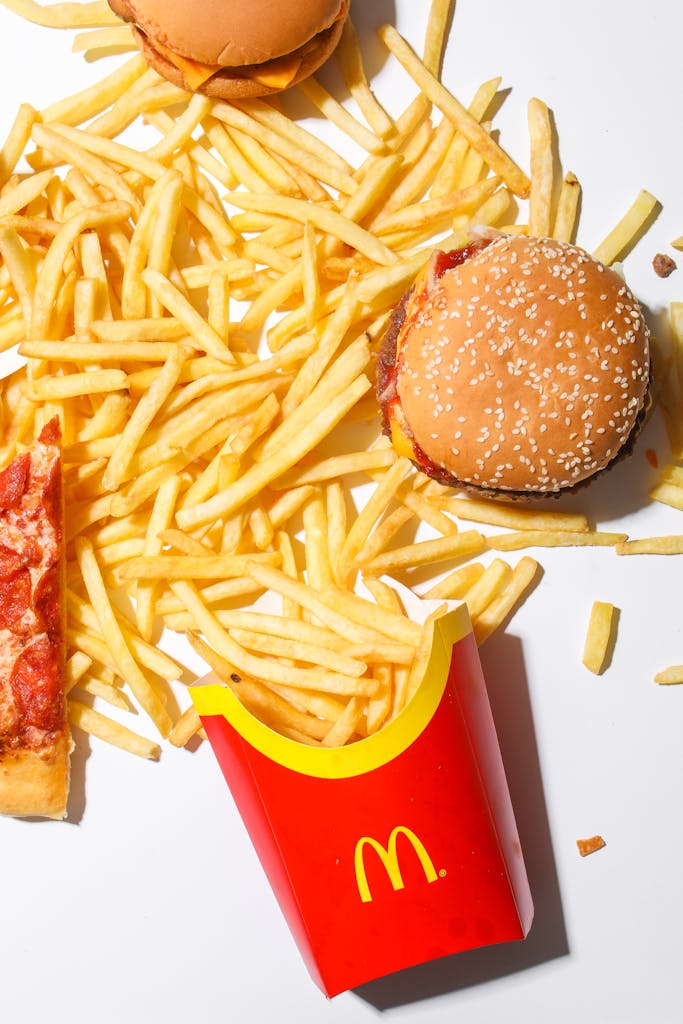
Americans have access to almost anything they could need or want at any time of the day or night. There are tens of thousands of stores open 24/7 with drive-thru options for everything. There are grocery stores, gyms, pharmacies and food delivery services that are open around the clock. If you wake up sick at 1am and need some medicine, in the United States you can just hop in your car, drive to the store and grab it. You wouldn’t have to wait until the store opened. Over time this type of convenience has quietly reshaped societal expectations, shrunk patience and increased frustrations when things aren’t able to be immediate. What Americans experience as entitlement is a by-product rooted deeply in nearly instant fulfilment.
2. Food Abundance & Endless Choice
American supermarkets are a bright and bold symbol of true abundance. A single aisle can offer dozens of variations of the exact same product. There are sections dedicated to speciality diets like vegan and organic, making the choices even more endless. Personal food choices feel effortless and expected. Americans can easily find food that aligns with their health needs, ethics, and preferences, and while that is in fact a privilege, it’s seen as a basic right.
3. Choosing Your Identity
In the United States, publicly choosing who you are is often seen as “normal” and “expected”. Americans are able to openly express their religion, sexuality, political beliefs and personal style without fear of legal punishment. They’re permitted to wear what they want, when they want. Though this doesn’t feel like a privilege to Americans, it most definitely is. Across the globe there are thousands of people who aren’t able to embrace their unique individualism, as it’s a risk that not everyone can afford to take.
4. On-Demand Healthcare (Even When It’s Flawed)
Though on-demand American healthcare is deeply flawed, it’s nonetheless still a privilege that most people don’t even recognise. Whether it’s same-day appointments, access to urgent care centres, or walk-in clinics, the availability of these options is a privilege for Americans. For Americans who can pay or have adequate health insurance, they have faster access to specialists, which can significantly affect quality of life. On-demand healthcare doesn’t erase the enormous costs, inequities or systemic failures. But privilege doesn’t mean perfection. It is a privilege for Americans to have access to high-class medicine even though the system is deeply flawed.
5. Mobility & Car Culture
American cities sprawl far, suburbs stretch and most of daily life is designed specifically around being able to drive. Whether it’s a commute to work, grocery shopping, seeing a doctor, or anything else, the ability to drive is a privilege most Americans mistake as “normal”. Being able to be mobile often determines where you can live, the jobs you’re able to take and more. Because mobility is normalised in the United States, the power that mobility brings often goes unnoticed, but it is in fact a privilege that Americans have started calling “normal”.
6. Safety Nets
Americans are able to move through life with a quiet assumption that if something goes wrong, there is help available. They live with invisible safety nets that most people don’t think about until they need them. Whether it’s emergency services, shelters, disaster response, crisis lines, etc., these types of systems are rarely thought about until they’re needed. These systems offer Americans a baseline sense of security. Even though these safety nets are far from perfect and don’t serve everyone equally, they fundamentally change how people move through times of challenge or uncertainty.
7. The Right to Complain Publicly
In the United States, Americans have the right to complain publicly. It’s normal. People can openly criticise the government, organise and participate in protests, or even use social media to demonstrate their outrage. Americans don’t have to fear imprisonment or retaliation, something that they don’t think about enough to appreciate the privilege of being able to publicly complain.
The Blind Spot: Privilege Isn’t About Guilt
Recognising privilege doesn’t mean feeling bad. It just means being aware of what has been easy or available to you that isn’t for everyone. This isn’t about pointing fingers but rather knowing the difference between being thankful and being lazy. When we realise the benefits we often take for granted, we can connect with others in a meaningful way instead of feeling ashamed.
Conclusion
Where you are located and residing significantly alters what “normal” life looks like. Things that seem normal, expected, or even annoying in one place can be rare, impossible, or hard to imagine in another. For example, Americans think 24/7 convenience, food abundance and systemic safety nets are just normal life but for many, they’re a privilege. Changing the way you think about things can make you more interested in how other people live and help you learn more about the world. The last thing to remember is that what is normal for one person may not be normal for another. It all depends on the situation, the culture, and chance. That can change how you see the world and how you see your own life in it.
- Can You Cancel a Manifestation? How to Redirect Your Energy with Confidence
- Can You Change Your Manifestation? How to Redirect Your Desire with Confidence
- Do You Have to Forget About Your Manifestation? The Truth About Letting Go
- Do You Have to Believe in Manifestation for It to Work?
- Do You Have to Say Manifestations Out Loud? A Friendly Guide to Speaking, Thinking, and Feeling Your Desires