10 Forbidden Foods from Around the World
We all have unique tastes when it comes to food, but some ingredients and products are far more controversial than you might expect.
Across the globe, countries have gone so far as to ban or restrict everything from kebabs and ketchup to Mountain Dew and marmite. Some bans make perfect sense, while others might leave you scratching your head.
Here are the top 10 most surprising foods and drinks that countries have outlawed or heavily regulated. How many have you tried?
1) Sugar sprinkles
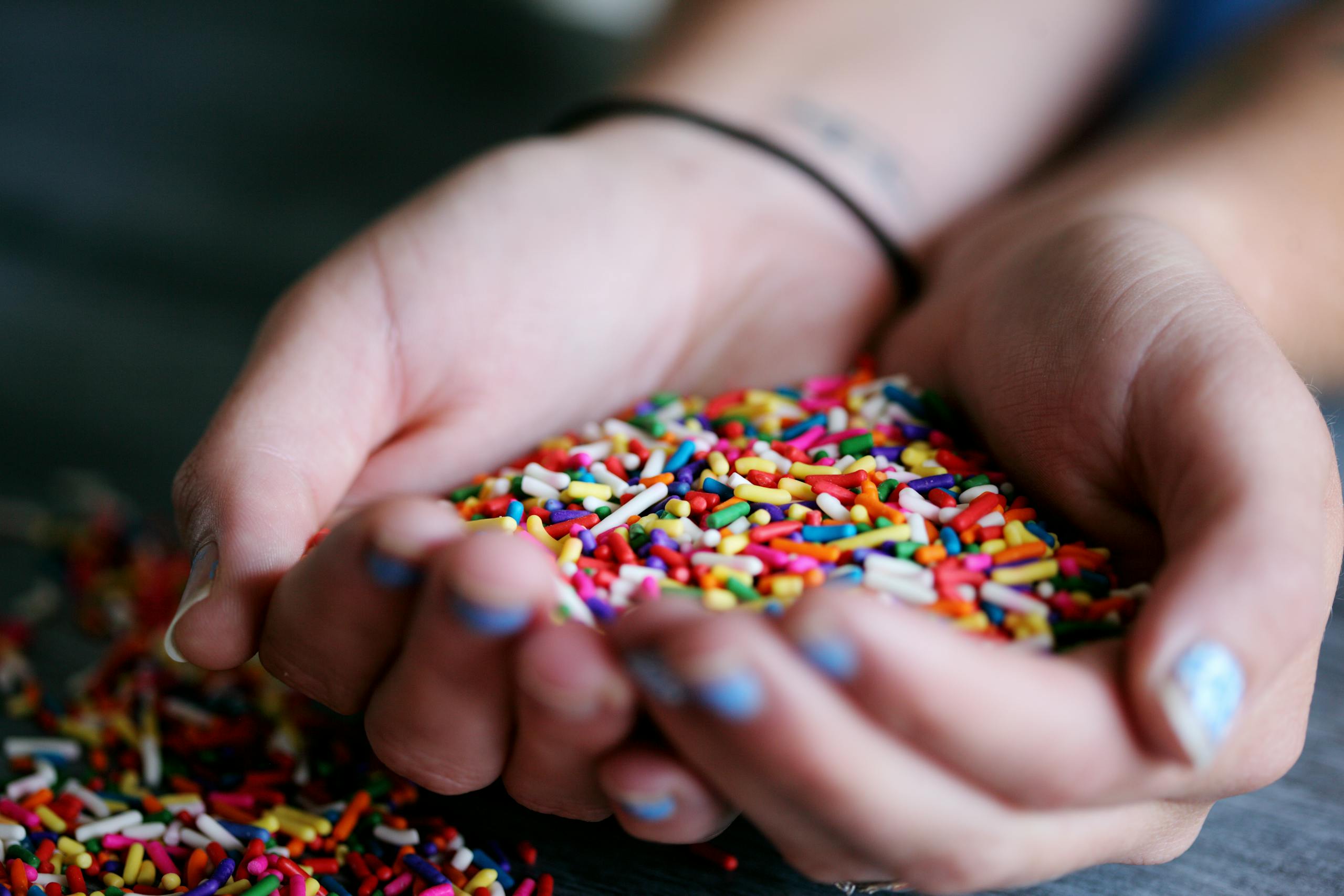
Can you believe these cute, colourful cake toppings could cause anybody harm? Yet, some American-made versions have been banned in the UK and Europe as they contain E127: a dye that is only approved for limited uses and has been linked to hyperactivity in children. The controversy hit headlines in 2021 when Leeds bakery Get Baked was forced to remove its “illegal” US sprinkles from brownies and cookies. They now use E127-free versions.
2) Foie Gras
While foie gras may be viewed by some as a luxury to enjoy, the way it’s made can quickly remove the enjoyment factor. Made by force-feeding ducks or geese, it’s banned from production and import in India and production is banned in the UK, across Europe and some US states. Animal-welfare groups argue the process causes suffering, so despite its reputation as a gourmet delicacy, it’s off the menu entirely in many places.
3) Kinder Surprise Eggs
Many of us remember the kinder egg joy as we scoffed the chocolate in order to see what was inside the egg. Luckily the chocolate isn’t the issue. In the US, non-food items are not permitted to be inside edible products due to choking risks. So the iconic Kinder Surprise egg was banned for decades in the States, turning a beloved childhood treat into a forbidden black-market item.
4) Marmite
Marmite, the famously divisive spread, has long been a staple in British households. While it’s widely available elsewhere, Denmark restricts its sale due to the product’s added vitamins and minerals. Fortified foods like Marmite need approval from Danish food authorities before they can be sold, so your favourite savoury spread isn’t always easy to find abroad, whether you love it or hate it.
5) Kebabs
Kebabs might feel like a harmless street-food favourite, but in Verona, local authorities have clamped down on them. The city’s government ruled that only authentic Italian food could be sold in the historic centre to preserve the decorum and traditions of the city, so banned the opening of new kebab shops. Venice and Cittadella also followed suit. Head to Rome or Milan if you’re looking for a late night kebab!
6) Durian fruit
Known as the “king of fruits,” durian is infamous for its stench, which has been likened to everything from rotting onions to smelly socks. While loved by many in Southeast Asia for its creamy, custard-like flesh, the odour is enough to clear a room. In 2018, an Australian university was even evacuated after students mistook the stench for a gas leak. The smell has led authorities in countries such as Singapore to ban durian from public transport and certain indoor spaces.
7) Rare burgers
It might sound strange when you can order rare steak anywhere, that a juicy rare burger is banned in some places. Countries like Canada and New Zealand have strict food safety rules around undercooked beef, while areas in the UK also discourage restaurants from serving rare burgers. The reason being that once steak is seared, the harmful bacteria is removed, but burgers may have this bacteria on the inside of the patty, so need to be properly cooked.
8) Mountain Dew
The neon-green soft drink has been banned in several countries for its high caffeine content and use of the controversial additive, brominated vegetable oil (BVO). Nations including Norway and Denmark have prohibited its sale, while others demand strict labelling. So while the U.S. continues to sip the original glow-in-the-dark version, much of Europe drinks a BVO-free update.
9) Ketchup
Who would ban ketchup? France did ban this iconic condiment from primary schools, citing excessive sugar and a desire to encourage healthier eating. Meanwhile, in Israel, a 2011 ruling meant bottles with insufficient tomato content had to be relabelled as “tomato seasoning.” Even your favourite burger companion can run into red tape.
10) Casu Marzu
Casu Marzu, the infamous Sardinian “maggot cheese,” is banned in Europe and the USA because it contains live insect larvae. The cheese is deliberately infested to achieve its soft, pungent texture, and eating it can be risky if the larvae survive stomach acid. It’s a culinary curiosity that few dare to try, a cheese that truly stinks and is also pretty dangerous.
Final thoughts
So, how many of these unusual bans have you actually tried? From ketchup on your rare burger, to sugar sprinkles on a frosted muffin, it’s clear that what we think of as everyday food can be a complete no-go elsewhere. And then there’s durian fruit and casu marzu… maybe admire them from a safe distance before you get too adventurous.