10 Bizarre Food Laws From Around the World
Food tells us a lot about a country and so do its laws. Around the world, governments have banned, restricted or taxed some of the most unexpected things you can eat, drink or even chew. Some of these rules are about health and safety, others about religion, tradition, or plain old bureaucracy. Either way, they make for fascinating reading and in some cases, a reminder to check local customs before you tuck in. Here are ten of the strangest food laws from across the globe.
1. Chewing Gum Is Illegal in Singapore
Singapore is famously spotless, and part of that cleanliness comes from an unexpected ban. Since 1992, the sale and import of chewing gum have been almost completely outlawed. The reason? It kept sticking to pavements, buses and public property. The government got fed up and banned it altogether. Only medical or dental gum is allowed and even then, you need a prescription.
2. Kinder Surprise Eggs Are Banned in the USA
You might think a chocolate egg with a toy inside sounds innocent enough, but not in America. The US banned Kinder Surprise eggs because their small plastic toys are considered a choking hazard under FDA rules. That’s why American shops sell “Kinder Joy,” a split version where the toy is separate from the chocolate. It’s not quite the same, but at least it’s legal.
3. Casu Marzu Is Illegal in the EU
Sardinia’s infamous maggot cheese has already made an appearance on our dangerous foods list and for good reason. The EU outlawed it for hygiene and health reasons, as it contains live insect larvae. Still, locals continue to make it quietly at home. Officially banned or not, it remains a fiercely protected (and very wriggly) part of Sardinian culture.
4. Ketchup Is Restricted in French Schools
Yes, ketchup. France, ever proud of its culinary tradition, placed limits on the condiment in school canteens in 2011. The goal was to encourage children to enjoy traditional French sauces rather than smother everything in tomato paste. Students are allowed ketchup only when served with chips and even then, it’s rationed.
5. Haggis Is Banned in the United States
Scotland’s national dish has been banned from crossing the Atlantic for over 50 years. The reason? Traditional haggis contains sheep’s lung, which the US Food and Drug Administration prohibits in food products. It’s an oddly specific rule, but one that means Americans can only buy “lung-free” haggis and Scots abroad still dream of the real thing.
6. Raw Milk Is Illegal in Some Countries
Raw (unpasteurised) milk is prized by traditionalists for its flavour, but many countries, including parts of Australia, Canada, and the US, have banned its sale due to the risk of harmful bacteria. In the UK, it’s legal under strict conditions. Farmers sell it directly to consumers, who swear it tastes better. Critics say it’s not worth the gamble.
7. Foie Gras Is Banned in Several US States
Foie gras – the luxury French delicacy made from the liver of force-fed ducks or geese – is banned in parts of the US, including California and New York City. Animal rights activists argue that the production process is cruel, while chefs call it a cultural attack. The result is an ongoing culinary tug-of-war between ethics and indulgence.
8. Salmon Sushi Was Once Illegal in Japan
It’s hard to believe now, but until the 1980s, raw salmon was considered unsafe and even unappetising in Japan. The ban wasn’t official, but the cultural taboo was strong. It took a Norwegian trade campaign called “Project Japan” to change minds, promoting safe, parasite-free salmon for sushi. Today, it’s one of the world’s most popular sushi ingredients.
9. Potatoes Were Once Banned in France and Russia
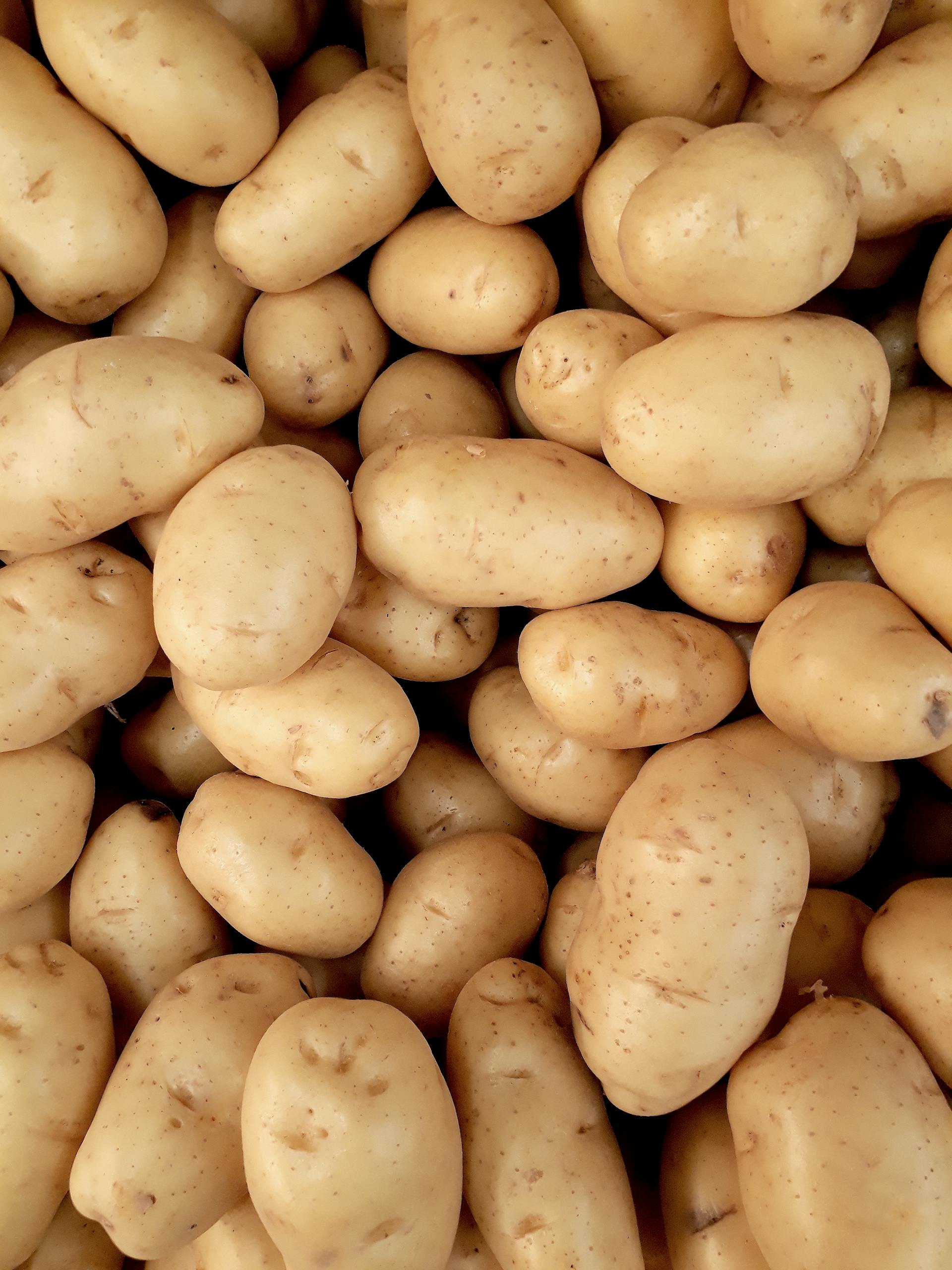
Believe it or not, there was a time when potatoes were viewed with deep suspicion. In 18th-century France, they were thought to cause leprosy; in Russia, they were rejected as “devil’s apples.” Both countries eventually came around and now, they can’t get enough of them. Proof that even the strangest bans don’t always last.
10. Samgyetang Chicken Soup Is Protected in South Korea
Not all food laws are bans, some are protection. South Korea’s samgyetang, a ginseng chicken soup eaten in summer, has been designated a “cultural asset.” That means it’s legally safeguarded from imitation abroad. So if you see “authentic Korean ginseng soup” on a menu outside Korea, it’s probably not the real deal.
The Bottom Line
From banned cheeses to forbidden chewing gum, food laws reveal as much about a country’s values as its recipes. Some protect public health, others preserve heritage, and a few are just plain baffling. So before you travel, it’s worth remembering: what’s perfectly normal on one plate might be totally illegal on another. Because in the world of food, the law isn’t always about what’s good, it’s about what’s allowed.